on the blog
Read More
When people first evaluate a franchise, they often focus on three things: the Franchise Disclosure Document (FDD), the financial performance disclosure (Item 19), and Validation Calls with existing franchise owners. Those are all incredibly important. But they’re only part of the picture. Today, we are going to talk about the reality of evaluating a franchise model.

Here’s the truth: You’re not just buying a business model. You’re entering into a long-term partnership with a franchisor.
That partnership may last 10, 15, or even 20 years. The question isn’t simply, “Is this a good business?”
A better question is, “Are these the people I want helping me build my business over the next decade?”
The franchise system may have excellent economics, but if the leadership team lacks integrity, the support organization is understaffed, or the culture doesn’t align with your expectations, your ownership experience can be very different than you imagined.
So how do you evaluate what isn’t written in the FDD?
Watch How They Treat You During Discovery
Many candidates assume Discovery Day is an interview… and it is. But that “interview” goes both ways.
Pay attention to every interaction with the franchisor, beginning with your very first conversation. Ask yourself:
- Do they respond when they say they will?
- Are they prepared for meetings?
- Do they answer difficult questions directly?
- Do they educate or simply sell?
- Do they seem genuinely interested in your success?
- Do different team members tell the same story?
How a franchisor behaves while trying to earn your business often reflects how they’ll communicate after you’ve signed.
Meet More Than Just the Sales Team
Franchise Development is only one department. Sure, they’re important, but they aren’t who you’ll call every day as an owner. To broaden your understanding of the organization as a whole, ask to meet people from…
- Franchise Support
- Operations
- Marketing
- Training
- Technology
- Finance
- Leadership
- Field Support
- And more.
These are the teams and people who will help you solve problems long after the excitement of opening day has passed.
When you meet them, pay attention to how they speak about franchisees. Do they refer to owners as partners, or do they sound like they’re managing problems? Words matter. Culture shows up in conversations long before it appears in policies.
Observe the Culture
Company culture cannot be fully explained in a PowerPoint presentation… as much as some franchise brands might try!
To truly understand a franchise brand’s culture, you have to experience it. How? Watch how employees interact with one another. Is there laughter? Collaboration? Respect?
Do people seem comfortable challenging ideas? Are leaders approachable? Does everyone seem energized—or exhausted?
Culture is difficult to fake for an entire day. Trust what you observe. And remember, different company cultures can each be a fit, respectively, for different prospective owners. Make sure the culture aligns with what you want out of franchise ownership.
And don’t be afraid to reach out to your Franchise Fit Company coach to talk about the cultural evidence you are noting. We can help you better understand how to parse and apply this information.
Ask About Support Capacity
One of the most overlooked questions in franchising is, “How many franchisees does each support person serve?”
Support is about more than simply having a team. It’s about whether that team has the capacity to help. To better understand whether resources are spread thin, consider asking questions like:
- How many Franchise Business Coaches support the system?
- What’s the average franchisee-to-coach ratio?
- How often do coaches visit or meet with owners?
- How quickly are support requests answered?
- Is onboarding personalized or standardized?
- What happens if my coach leaves?
A support department can only be effective if it’s adequately staffed. We will help you find brands that meet and exceed that criteria.
Understand the Leadership Team
It probably comes as no surprise: Leadership drives every franchise system. So it only makes sense that you should get to know your leadership team. And I’m not talking about just a simple hello. Find out the full story and conduct some research on the backgrounds of those in executive or high-level roles. Consider questions like…
- Have they operated businesses?
- Have they been franchisees?
- How long have key executives been with the company?
- What’s their vision for the next five years?
- What challenges are they currently working to solve?
The best leaders aren’t afraid to acknowledge where they’re still improving. If every answer sounds perfect, ask another question. You will want to work with a leadership team that can recognize where they have room to grow. Perfection is rarely what it seems.
Ask About Franchisee Success
Instead of asking only about average sales, ask questions that dive a little bit deeper into the culture and people behind that success. I like questions such as…
- What separates your highest-performing franchisees?
- Why do some owners struggle?
- What support do you provide when someone falls behind?
- Can you share examples of owners who needed help and how you supported them?
These answers reveal far more about the organization than polished marketing materials. They also show franchisor teams that you are serious about your investment in the system and want to gain a deep understanding before you commit. That is a good thing.
Look Beyond Validation Calls
Validation Calls are essential. But remember, every franchisee has their own experience.
One owner may love the marketing support, while another may never use it. One franchisee may praise the training process, while another might wish it were longer.
During Validation Calls and outside of them, keep this in mind: Patterns matter more than individual opinions. Look for the trends that seem to just keep on coming back – whether they are good, bad, or ugly.
Asking the right questions is a great way to dig in past the basics. Instead of asking, “Are you happy?” you might ask questions like:
- What surprised you most after opening?
- What support exceeded expectations?
- What support wasn’t what you expected?
- If you could start over, what would you ask before signing?
- What does the franchisor do exceptionally well?
- Where do you wish they were stronger?
- If your child wanted to buy this franchise tomorrow, what advice would you give them?
Those conversations often produce the most honest insights. Vague or general questions are going to get you nowhere.
Pay Attention to What Happens When You Challenge the Franchisor’s Team
One of my favorite pieces of advice is this: Ask difficult questions.
Wait. What?
It’s not because you’re trying to create conflict. Asking tough questions is important because you’re evaluating character – and character is everything when it comes to a years-long working relationship.
What you want to find out is, how does the leadership team respond when challenged? Do they become defensive? Do they avoid the question? Or do they answer openly—even if the answer isn’t perfect?
Transparency builds trust. Perfection doesn’t. And trust is paramount in franchisor-franchisee relationships.
Evaluate Continuous Improvement
No franchise system is perfect, but the best ones know that they’re not. They will own their growth and evolution, showing you that they are committed to continuing to make the brand as amazing as possible for owners.
How can you determine whether a franchise is evolving or stagnating? Here are some of my favorite questions to ask:
- What has changed in the last three years?
- What improvements have franchisees requested?
- What investments are being made today?
- How do you gather franchisee feedback?
- Can you give an example of something you changed because franchisees asked for it?
Healthy franchise systems evolve. Stagnant ones don’t. And you do not want to get stuck in the latter.
Remember That You’re Choosing a Long-Term Partner
The franchise agreement outlines the legal relationship. The FDD explains the business. Validation helps you understand owner experiences. But none of those fully answer one critical question:
Do I trust these people?
Because when challenges arise (and every business experiences challenges), you’ll rely on the people behind the brand. Choose a franchisor whose values, communication style, culture, and commitment to franchisee success align with your own.
At The Franchise Fit Company, we believe due diligence goes far beyond financials and legal documents. The strongest franchise decisions are made when candidates evaluate not only the business opportunity, but also the people, culture, leadership, and support system they’ll be relying on for years to come.
After all, you’re not simply investing in a franchise. You’re investing in a partnership. Choose one that earns your confidence.
Are you ready to take the next step in exploring franchise ownership? Schedule a free meeting right here. I can’t wait to chat with you and discuss franchise opportunities, building your business, and starting a new chapter in your career. Working with me is always 100% free, 100% of the time. Talk to you soon!

Read More
One of the first questions prospective franchise owners ask is: “How much does it cost?” It’s an important question. But it’s rarely the right one.

Most people focus on the franchise fee and startup investment because those are the numbers they see in the Franchise Disclosure Document (FDD). They build a financial model around those figures, secure financing, and assume they’re fully prepared.
The reality? Owning a business involves a total cost of ownership that extends far beyond the initial investment.
None of these costs are necessarily hidden. Most are disclosed, predictable, or simply part of running a business. The challenge is that many first-time owners don’t know to account for them.
As someone who has owned businesses, worked on the franchisor side, and now helps people evaluate franchise opportunities every day, I’ve seen these surprises catch owners off guard more than once. For example, in my own experiences, I didn’t think about fuel costs or an insurance requirement.
Today, we are going to talk about the expenses that deserve a place in your planning before you ever open your doors.
Working Capital Is Not Your Safety Net: It’s Your Lifeline
The number one area I see underestimated is working capital. Working capital isn’t simply money sitting in your bank account. It’s what allows you to:
- Cover payroll during slower months.
- Pay suppliers before customers pay you.
- Replace broken equipment.
- Invest in marketing.
- Handle unexpected repairs.
- Sleep at night.
Many owners view working capital as “extra money.” In reality, it’s the fuel that keeps your business operating. If your financial model assumes everything goes perfectly, it probably isn’t realistic.
Your First Paycheck May Be Later Than You Think
One of the biggest adjustments for corporate professionals is realizing they may not receive a meaningful paycheck immediately.
Your business has priorities before you do: Employees need to be paid, vendors expect payment, marketing must keep running, rent is due, taxes don’t wait. You get the gist.
Many successful owners intentionally leave profits in the business during the early stages because reinvesting creates stronger long-term growth. If you’re relying on immediate owner income, your transition may become far more stressful than necessary. Understanding this sooner rather than later is the key to a smooth transition into franchise ownership.
Marketing Doesn’t Stop After the Grand Opening
Many people budget for the required grand opening marketing. Then, they assume that after that date, the business will simply continue generating customers. That’s rarely how successful businesses operate. Marketing is an ongoing investment… AND it is the biggest complaint from business owners. Here are some examples of how you will be spending your marketing budget:
- Community events
- Networking
- Digital advertising
- Local sponsorships
- Referral programs
- Grassroots marketing
- Vehicle wraps
- Promotional materials
- Seasonal campaigns
- And more!
The owners who consistently grow their businesses continue investing in customer acquisition long after opening day. Make that a part of your mentality before you cut the ribbon on grand opening day.
Hiring Costs More Than Payroll
Running payroll successfully is only one part of building a team (and retaining employees). You also need to consider:
- Recruiting
- Background checks
- Job advertisements
- Uniforms
- Training
- Turnover
- Workers’ compensation
- Payroll processing
- Benefits (when applicable)
One employee leaving may cost far more than simply replacing their hourly wage: You’ll have to retrain a new individual… but before that, you will have to recruit the right person, conduct interviews, onboard the new person, and more. If you have ever owned a business, you know this hard truth. Keeping employee retention high is a significant boon as a franchise owner.
Equipment Doesn’t Last Forever
Every business relies on equipment, even if what that equipment looks like varies. For instance, equipment can be…
- Vehicles
- Computers
- Tools
- Kitchen equipment
- Point-of-sale systems
- HVAC
- Furniture
Even if everything is brand new today, every asset has a replacement timeline. A healthy business prepares for future capital expenses before they become emergencies.
Technology Is Constantly Evolving
Technology subscriptions have become one of the fastest-growing business expenses. It’s easy to overlook these costs initially, but remember that you will likely need at least one of the following:
- Scheduling software
- CRM systems
- Accounting software
- Payroll platforms
- Marketing automation
- Phone systems
- AI tools
- Cloud storage
While many are inexpensive individually or may be provided by your franchisor, together they create meaningful monthly overhead – especially if you seek to use things beyond what is provided.
Taxes Are Different When You Own the Business
Business owners often experience tax responsibilities very differently than employees. Taxes as a business owner are no joke. You will need to think about things like…
- Quarterly estimated taxes
- Payroll taxes
- Sales tax
- Business personal property tax
- State and local business taxes
- Licenses and registrations
- And more.
Your accountant quickly becomes one of the most valuable investments you’ll make. Seriously, choose your accountant wisely – you’ll thank me later.
Professional Services Save Money
Trying to save money by avoiding professional advice often becomes far more expensive later. Bring in professionals to help you with things like legal support, CPA services, business coaching, and more. You will likely also end up working with insurance advisors, payroll providers, bookkeepers, and bankers. These professionals don’t simply solve problems. The best ones prevent them.
The Cost No One Talks About: Your Time
The largest investment in becoming a franchise owner may not appear on your financial statements.
It’s your time… Especially during the first year.
You’re learning systems, building relationships, hiring, selling, marketing, managing cash flow, leading people, and problem-solving every single day. This list could go on and on.
Business ownership isn’t necessarily about working more hours forever. But in the beginning, your business requires an investment of both money and attention. Owners who recognize this upfront tend to experience far less frustration than those expecting immediate flexibility.
The Emotional Cost
Here’s another one that isn’t discussed nearly enough.
Owning a business is incredibly rewarding. It’s also emotionally demanding.
There will be days you question decisions. Days you celebrate huge wins. Days you solve problems you never imagined.
The responsibility feels different because it’s yours. Understanding that these highs and lows are normal can make them much easier to navigate. I’m happy to discuss the realities of being a business owner with you during our coaching process – I’ve seen it from every side of the equation, as a franchise owner, franchisor employee, and franchise coach.
Build Your Financial Model for Reality – Not Perfection
I stand by this: It is one of the best pieces of advice I give prospective franchise owners. And it is so simple:
Don’t just budget for opening your business. Budget for operating it.
Ask yourself:
- What if revenue takes longer to ramp up?
- What if I need to hire again?
- What if equipment fails?
- What if I need additional marketing?
- What if I want to invest in growth opportunities?
The goal isn’t to scare yourself; the goal is to prepare yourself.
Final Thoughts
Buying a franchise isn’t simply purchasing a business. You’re investing in a future that requires planning, flexibility, and financial discipline.
The owners who succeed aren’t necessarily those who spend the least. They’re the ones who understand the total cost of ownership before they ever sign the agreement.
At The Franchise Fit Company, these are exactly the conversations we have before a client moves forward. We don’t just evaluate brands – we evaluate what it truly takes to own and operate them successfully. The best surprises in business should come from growth, not from expenses you never saw coming.
I’m not sharing these realities to scare you away from becoming a franchise owner – actually, the opposite. I want to prepare you to be amazing at owning a franchise and growing your business. Working with me means that I’ll give you empathetic, real honesty throughout the process. I’m not trying to sell you a franchise – I’m trying to help you determine if franchise ownership is right for you, and if so, which franchise will be a great fit. Choosing the best franchise for YOU all depends on fully understanding what you are signing on for.
Franchise ownership has been a privilege for me and my family. I’m excited to help you find out if it will play the same role in your life.
Discover a Future of Franchise Ownership Today
Schedule a free meeting right here. I can’t wait to chat with you and discuss franchise opportunities, building your business, and starting a new chapter in your career. Working with me is always 100% free, 100% of the time. Talk to you soon!

Read More
We are excited to introduce the newest addition to our Franchise Fit Company team: Colin Clark. Colin has been a business owner, a corporate employee, and a franchise owner. Now, he is channeling his expertise into helping others find the perfect franchise fit for their needs. Hear his story from Colin himself…
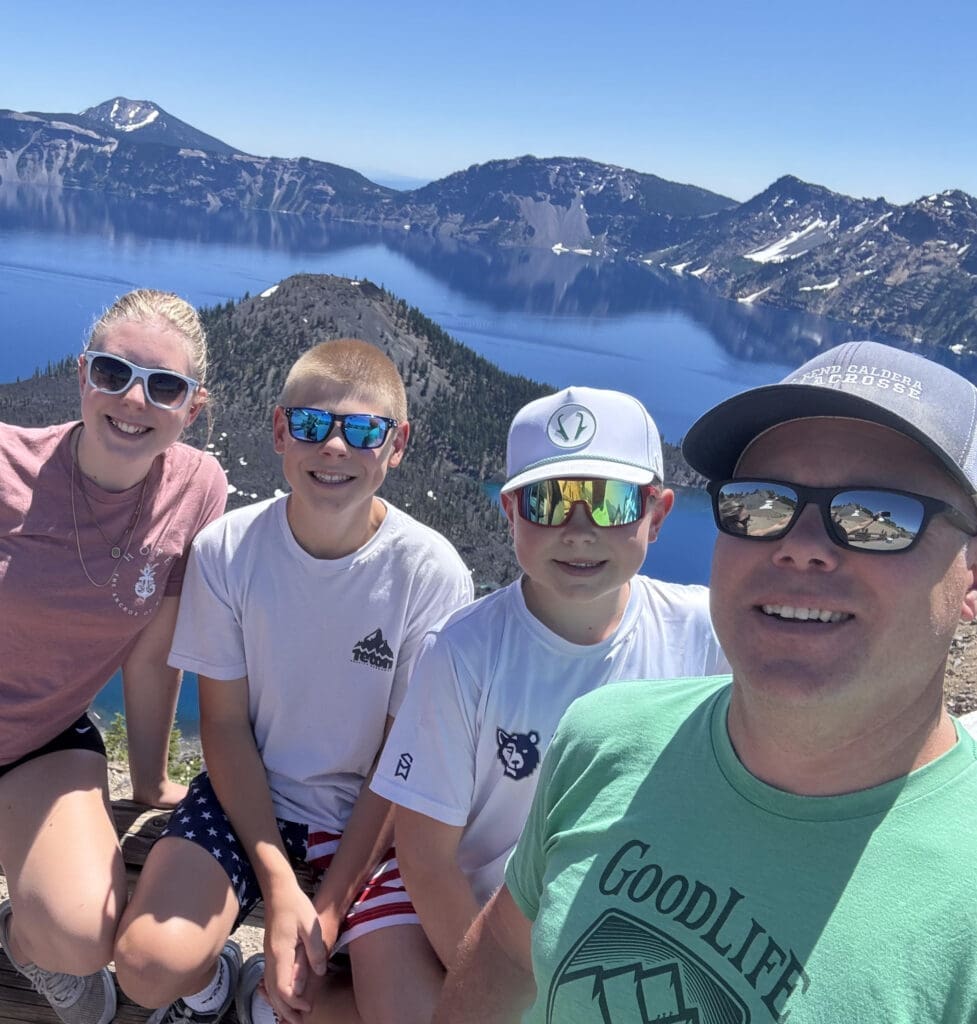
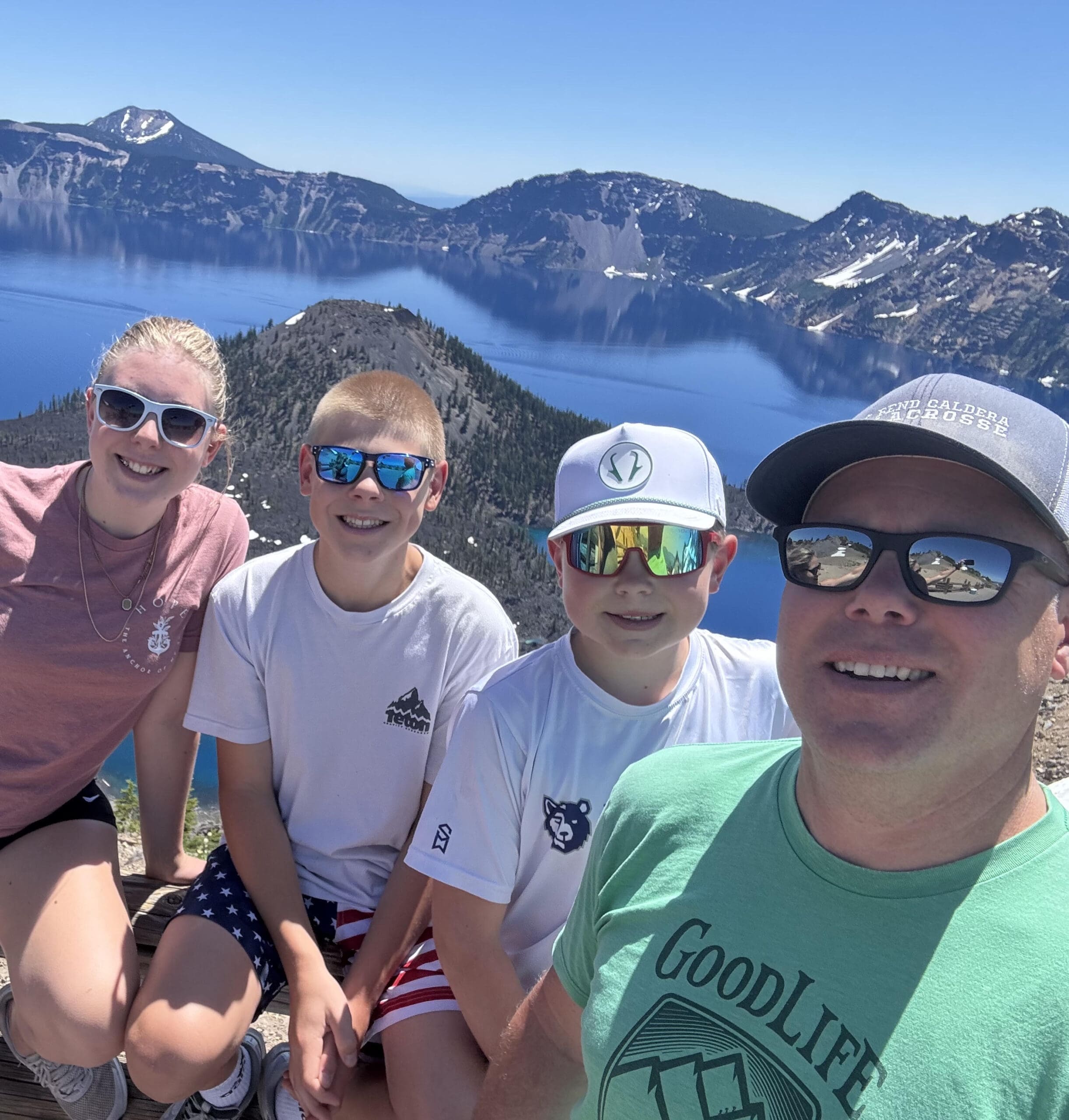
Before I decided to purchase a PIRTEK franchise location, I wasn’t really sure I wanted to start another business. I had previously founded and operated a lifestyle brand that was dependent on discretionary income, and I was at least 50/50 about going back to a corporate role.
So, I had some specific features I was looking for in my next business. As a result, I’m sure I caused the franchise consultant I worked with to shake their head when I dismissed brands with good track records of success. However, having previous business ownership experience focused my interests and caused me to ask myself important questions to ensure the best fit.
What I like about franchise ownership is the entrepreneurial nature with the support of a corporation. I have the flexibility to run my business mostly my way – while still having robust systems in place. You pay for that support and those systems through royalties, of course, but franchise ownership is a really nice way to concentrate on running your business instead of creating and managing internal logistics.
Owning your own business also allows for flexibility. You won’t necessarily work less (at least not at the beginning) but depending on the type of business, you can often choose when you work. I have been able to build my schedule around my kids, which means I try to do the bulk of my work 9-3 and then save many of my admin tasks for after dinner.
I have experience as a corporate employee, a business owner, and a franchise owner, so I truly have a comprehensive understanding of the differences. I can help you think about what’s important to you: What do you like to do day to day? What gets you excited? Do you enjoy managing people? Do you like the sales process or prefer operations? These questions and more will help us narrow your search and find the best fit.
Let’s Talk Franchise Ownership
Are you dreaming of building your family’s future? Of leaving the corporate world behind for a career that gives you freedom, flexibility, and agency? Of taking control of your own salary and earning potential?
If that sounds appealing, franchise ownership might be the right path for you… and either way, it is worth taking a second look.
Schedule a free meeting with Colin right here. He can’t wait to chat with you and discuss franchise opportunities, building your business, and starting a new chapter in your career. Working with The Franchise Fit Company is always 100% free, 100% of the time. We’ll talk to you soon!
Read More
One of the biggest challenges when it comes to business ownership isn’t choosing the right business. It’s believing that the skills that made you successful as an employee are enough to make you successful as an owner.

The reality? Owning a business requires an entirely different way of thinking.
I have worked with executives, military veterans, engineers, physicians, sales leaders, operations professionals, and countless high-performing corporate employees. While they bring incredible experience, the transition is so much more than simply changing jobs… It’s changing identities.
The most successful franchise owners do not just buy a business. They become business owners.
While that might sound simple, it is often the hardest part of the journey. Let’s take a closer look at the shift from an employee mindset to an owner mindset. What changes, why does it matter, and how can you set yourself up for success?
You Stop Having a Job Description
In corporate America, your responsibilities are generally well-defined:
- You know your role.
- You know who you report to.
- You know what success looks like.
- You have departments that support you—HR, IT, accounting, marketing, legal, recruiting, finance, and operations.
Business ownership changes all of that, especially in the beginning. All of a sudden, your list of responsibilities seems endless: You’re the CEO. You’re the recruiter. You’re the salesperson. You’re the customer service representative. You’re the marketer. You’re the problem solver.
Until your business grows, there isn’t someone else waiting to take care of the issue: The buck stops with you.
For many new owners, this is the first major adjustment. And by the way, no one is telling you what to do, how to do it, and giving you due dates! The responsibility rides on you.
Of course, as a franchise owner, you will have lots of support and a tried-and-true plan to help you get your business up and running smoothly. But YOU are still the person who needs to execute that plan.
You Don’t Get Paid for Being Busy
Corporate careers often reward activity: Attend the meetings, complete the project, hit your objectives. Sit at your desk from 9 a.m. to 5 p.m. and take home a salary. Snooze.
Business ownership rewards outcomes: Customers don’t care how many hours you worked. They care that you solved their problem.
Revenue doesn’t appear because you were “productive” (or at least appeared to be). It lands because customers chose your business.
That shift from activity to accountability can be uncomfortable. Every decision has a direct impact on your business, your team, and your financial results. Are you ready for it?
Decision Fatigue Is Real
Many professionals spend years becoming experts in one area. Business owners must become competent in dozens. It’s a totally different type of arrangement.
As a business owner you are going to dip a toe in most or all of the following sectors of your business:
- Hiring
- Pricing
- Marketing
- Sales
- Cash flow
- Customer experience
- Operations
- Technology
- Leadership
This is another important reason to consider franchise ownership versus starting a business from scratch. Franchisors have systems set up to support you in the areas where you have less knowledge or are not as strong. That’s part of the appeal! You’ll have a whole team of people in your corner helping you learn, grow, and succeed.
Many first-time owners struggle because they become afraid of making mistakes. Some decisions will be easy. Others won’t have a “right” answer. The irony? Not making decisions is often the biggest mistake of all. Progress almost always beats perfection.
Leadership Changes
Managing corporate professionals and leading employees in a small business are often two very different experiences.
Many franchise owners hire employees who are entering the workforce, working in hourly positions, or developing new skills. Leading these teams requires patience, coaching, accountability, consistency, and clear expectations. You’ll spend less time directing projects and more time developing people.
During the Franchise Fit Company Discovery Process, we will talk about labor and staffing. I’ll help you gain more clarity on what kind of staff you want to manage, discussing topics like skilled vs. unskilled labor, hiring, and so much more.
Whichever path you choose, remember this: Great owners don’t simply manage tasks. They build cultures.
No One Is Coming to Rescue You
This can be one of the biggest mindset adjustments when you go from an employee to an owner.
Corporate environments often have escalation paths. Need approval? Someone above you can make the decision. Need resources? Another department may provide them. Need help? You submit a request.
Business ownership is different. The answer often starts with you.
That responsibility can feel overwhelming –but it’s also incredibly empowering. For perhaps the first time, you have the ability to change direction immediately. You don’t need five committee meetings. You don’t need twelve approvals. You simply need to decide.
Where New Owners Struggle Most
In my career, I have seen the world of franchising from all different angles. I have been a franchise owner. I have worked for franchisors. And I am a coach for people like you, who are considering franchise ownership for themselves. With this unique perspective, I have noticed several common patterns in where new franchise owners struggle.
Waiting Instead of Selling
Many new owners assume customers will simply find them. Successful owners understand that marketing, networking, relationship building, and community involvement never stop. You must be ready to “get local” and do grassroots marketing.
Trying to Do Everything Perfectly
Perfection delays momentum. Successful owners launch, learn, improve, and adapt. I’ve said it before, and I’ll say it again…
PROGRESS beats PERFECTION, almost every time.
Avoiding Difficult Conversations
Whether it’s an employee, a customer, or a vendor, hard conversations are part of leadership.
Ignoring them rarely makes them easier. You have to fire fast, always be hiring, and stay focused on providing a quality service or product. And sometimes, you have to fire customers. (It’s true!)
Holding Onto Their Corporate Identity
Many people continue thinking like employees months after becoming owners. The employee to owner mindset shift starts with language.
Instead of asking: “What does my boss want?”
You need to ask: “What does my business need?”
Those are two very different questions, but that simple switch can open up a world of possibilities as you consider how to best support YOUR franchise and YOUR team. Yep, it’s all yours.
How to Approach Business Ownership From Day One
The transition into business ownership begins long before you sign a franchise agreement. As soon as you start the Discovery Process, you are well on your way.
It is important to go into ownership expecting to learn. Not knowing everything isn’t a weakness – it’s normal!
Approach every challenge with curiosity instead of frustration. Understand that your first year is about building systems, routines, relationships, and confidence… again, not perfection.
Accept that your business won’t look exactly like the corporate world you left. And that’s actually one of the greatest advantages of working for yourself.
You’ll have the freedom to create your own culture, define success on your own terms, and build something that reflects your values.
Most importantly, remember that business ownership is not an individual sport. The strongest franchise owners lean into their franchisor, fellow franchisees, mentors, coaches, accountants, attorneys, and local business networks. The people who ask questions early typically avoid much larger problems later.
My Advice to You
When I work with clients through The Franchise Fit Company, we spend just as much time discussing the role of ownership as we do discussing brands.
Why? Because even the best franchise cannot change your mindset for you.
The most successful owners understand that they didn’t purchase a business so they could recreate their corporate job. They invested in an opportunity to build something bigger than themselves.
That requires ownership in every sense of the word. Not just financially, but mentally. The businesses that thrive are often led by people who embrace that shift early.
If you’re evaluating franchise ownership, don’t just ask whether the business is the right fit. Ask yourself whether you’re ready to think like an owner. Cultivating the owner’s mindset may be the most valuable investment you’ll ever make.
Ready to Take the Leap to Becoming a Business Owner?
Schedule a free meeting right here. I can’t wait to chat with you and discuss franchise opportunities, building your business, and starting a new chapter in your career. Working with me is always 100% free, 100% of the time. Talk to you soon!
Read More
As a franchise coach, it probably comes as no surprise that I have a rich background working with brands in the franchising industry. But even more importantly, I have firsthand experience owning a franchise – and it is a family business!
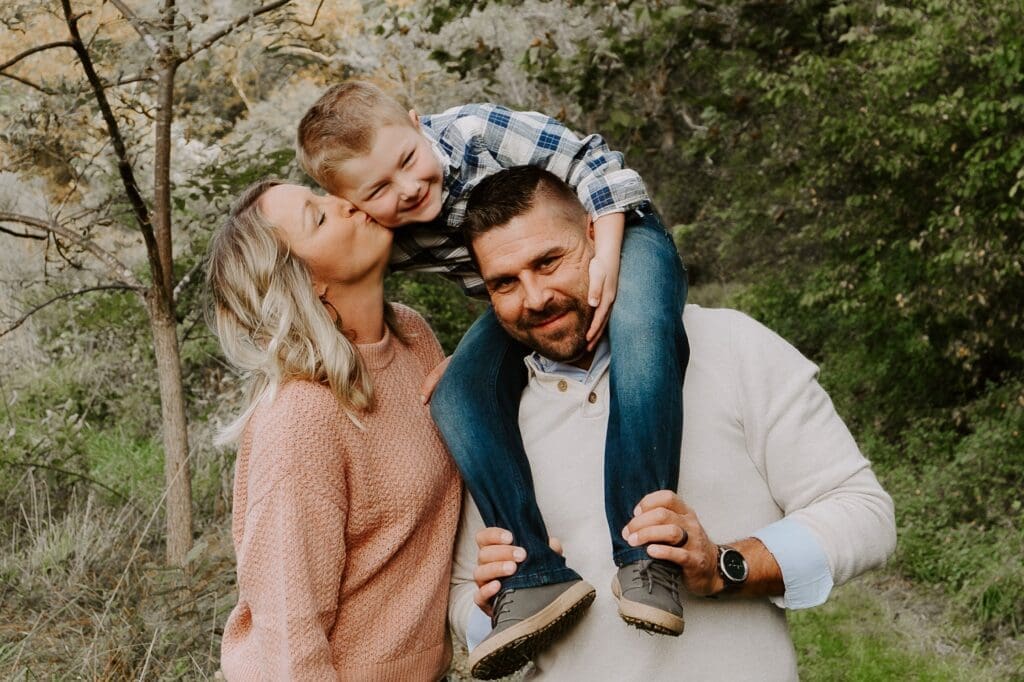
My husband, Ben, and I invested in Archadeck Outdoor Living in 2024 – and I owned another franchise before that. The Archadeck brand is all about making beautiful outdoor spaces for our customers. Think screened-in porches, decks, outdoor kitchens, patios, pergolas, and more.
But that does not mean that I am trying to sell you on becoming an Archadeck franchisee… or on becoming a franchise owner in general!
If anything, it means the opposite: I have a genuine understanding of both the advantages and drawbacks of franchise ownership. Seriously, I have seen it all. And I understand how important it is that you understand what lies ahead as an aspiring franchise owner.
So, let’s talk about what it’s really like to own a franchise that is your family’s business. I’ll start by sharing our story.
Franchise Ownership Meets Family Business
Some people imagine franchises as cold, corporate operations. But that could not be further from the truth!
Individual franchise units are often family businesses, locally owned and operated, serving communities where the owners live, too. Our family’s Archadeck franchise is just one example of many.
When Ben and I decided to invest in a franchise, we knew we wanted more freedom and flexibility for our family. Like many families, we had spent years balancing careers, raising our son, and chasing professional goals. Ultimately, we realized that we wanted more control over our future and the chance to work toward a shared vision.
Building a business together gave us the opportunity to combine our strengths while also creating something meaningful for our family, providing jobs in our community, and investing in our future together.
An added bonus? Our son, Cannon, gets a front-row seat to real entrepreneurship. He sees all of the hard work, commitment, and cooperation that go into running a business. Those lessons are invaluable – and they will stay with him for the rest of his life.
Setting Boundaries Between Home Life and Work
As you can imagine, when you spend all day working on a business together, it can be easy for conversations about sales, marketing, or projects to follow you to the dinner table. We make an effort to draw boundaries between home life and work life so that we can dedicate meaningful time to being present with our family.
After all, that is why we do the work that we do – to build wealth and stability for our family now and down the line. We love having the flexibility to attend Cannon’s sports games (Ben even coaches his baseball team!) and pursue our own hobbies, too.
Owning a franchise together has given our family gifts we would not have even dreamed of in the corporate world. Spending more time together is just one of many.
Finding YOUR Family’s Franchise Fit
Running a franchise business as a couple or as a family can certainly be challenging at times – but what career isn’t?
My perspective? Obstacles in a career that you can control are infinitely better than roadblocks in the corporate world, where you have no way to take back the reins. Whatever challenges come your way as a franchise owner, you are the one in the driver’s seat.
Success as a franchise owner begins with finding your perfect fit – and that is exactly what we are here to help you with at The Franchise Fit Company.
Our process begins by exploring your career goals as well as your strengths, areas of expertise, and lifestyle needs. Based on a thorough exploration of what you hope to achieve as a franchise owner as well as your financial position, preferences, and other requirements, we will pair you with a selection of top brands.
Throughout the course of the Discovery Process, you will learn more about each brand and find out which one may be the best fit for you. We will be there every step of the way to ensure that you are getting the most out of this process.
At the end of the day, an opportunity that is amazing for one person might be terrible for another person. Every individual has a different vision for what they want their career to look like. Our goal is to match you with a brand that will help you achieve just that.
Let’s Talk Franchise Ownership
Are you dreaming of building your family’s future? Of leaving the corporate world behind for a career that gives you freedom, flexibility, and agency? Of taking control of your own salary and earning potential?
If that sounds appealing, franchise ownership might be the right path for you… and either way, it is worth taking a second look.
Schedule a free meeting right here. I can’t wait to chat with you and discuss franchise opportunities, building your business, and starting a new chapter in your career. Working with me is always 100% free, 100% of the time. Talk to you soon!
Read More
One of the first questions people ask when exploring franchise ownership is this: Can I keep my current job and own a franchise on the side?

It’s a fair question. After all, many people are attracted to franchising because they want additional income, more flexibility, or a path toward financial independence. Jumping directly into full-time business ownership can feel risky, especially if you’re supporting a family, paying a mortgage, or simply aren’t ready to walk away from a steady paycheck.
The good news is that both part-time and full-time franchise ownership are possible. The challenge is understanding which option aligns with your goals, schedule, financial situation, and personal lifestyle.
After being a franchise owner myself and helping countless people explore franchise opportunities as a franchise coach, I have learned that the right franchise is not just about industry or investment level. It is also about how the business fits into your life.
Today, we are going to look at the realities of part-time versus full-time franchise ownership and what your lifestyle may actually demand.
What Modern Franchise Ownership Really Looks Like
Many people picture franchise ownership as opening a storefront, unlocking the doors every morning, and working behind the counter until closing time. While some franchise models certainly require hands-on involvement, many modern franchises are structured very differently.
Today’s franchise landscape includes all kinds of different options, such as:
- Executive ownership models
- Semi-absentee ownership opportunities
- Home-based businesses
- Service-based businesses
- Manager-run operations
- Mobile business models
- And many more!
This means there are franchise opportunities designed for people who want to remain employed elsewhere, as well as opportunities for those seeking a full-time career change.
The key? Understanding that not every franchise is built the same way.
What Is Part-Time Franchise Ownership?
Part-time franchise ownership, also called semi-absentee ownership, generally means you’re not spending your entire workweek operating the business. In many cases, semi-absentee franchise owners:
- Maintain their current job
- Manage the franchise during evenings or weekends
- Hire employees or managers to handle daily operations
- Focus on oversight, growth, and strategic decisions
Some franchise systems specifically market themselves as “semi-absentee” opportunities because they can be operated without the owner being physically involved every day.
Examples may include:
- Business services
- Staffing franchises
- Property management services
- Certain home services businesses
- Vending or automated retail concepts
- Some senior care and consulting models
However, “part-time” doesn’t mean “no time.” This is one of the biggest misconceptions prospective franchise owners have.
Even franchises designed for semi-absentee ownership require leadership, oversight, hiring decisions, financial review, and problem-solving. The business still needs an owner.
When Part-Time Franchise Ownership Makes Sense
Part-time franchise ownership can be a great fit if you’re looking to reduce risk while building another income stream. You may be a strong candidate if…
You Want to Keep Your Current Salary
Many professionals aren’t ready to leave a six-figure salary immediately. A semi-absentee franchise can allow you to start building your business while maintaining financial stability. This can create a bridge between traditional employment and entrepreneurship.
We can also discuss models that will let you start in a semi-absentee capacity and eventually move into a full-time role once the business takes off. There are all kinds of franchises out there for an aspiring business owner who is ready to put in the work.
You Have Strong Management Skills
Semi-absentee ownership often requires managing people rather than performing daily operational tasks. If you’ve led teams, managed departments, or overseen projects, you may already have skills that transfer well to this ownership style.
You Want to Build Long-Term Wealth
Some people aren’t looking for another job. They’re looking for another asset. A franchise can become part of a broader wealth-building strategy, creating cash flow and potentially increasing enterprise value over time.
You Have Limited Available Hours
If you’re raising children, caring for aging parents, or balancing other responsibilities, a business that demands 50 to 60 hours per week may not be realistic. A franchise designed for lower owner involvement may fit better.
The Challenges of Semi-Absentee Franchise Ownership
Part-time ownership sounds appealing, but it comes with tradeoffs. Let’s take a look at some of the potential drawbacks.
Remember, our job here at The Franchise Fit Company is not to sell you on either part-time or full-time franchise ownership. We simply want to help you gain a holistic picture of what franchise ownership really looks like in either case. Then, we can talk about whether or not this path is right for you – and if so, which business models could be the perfect fit.
You Need the Right Team
The less involved you are, the more important your employees become.
Hiring mistakes can be costly. Many semi-absentee owners discover that success depends heavily on finding trustworthy managers and creating accountability systems.
Growth May Be Slower
A business generally grows faster when an engaged owner is actively driving sales, networking, recruiting, and developing customer relationships. Part-time ownership may create limitations on how quickly the business can expand.
Emergencies Don’t Respect Your Schedule
Even in well-run businesses, unexpected issues arise: Employees quit. Equipment breaks. Customers have concerns.
You may not be working in the business daily, but ownership still carries responsibility.
What Is Full-Time Franchise Ownership?
Full-time franchise ownership means the business becomes your primary professional focus. You’re dedicating most of your working hours to launching, operating, and growing the franchise.
This doesn’t necessarily mean you’ll be performing every task yourself forever. Many owners eventually build teams and reduce their day-to-day involvement. However, especially during startup, full-time owners are often heavily engaged.
You might find a full-time franchise owner handling tasks like…
- Leading sales efforts
- Building community relationships
- Recruiting employees
- Managing operations
- Monitoring financial performance
- Driving growth initiatives
- And more!
For many people, franchise ownership becomes a career rather than a side investment.
When Full-Time Ownership Makes Sense
Full-time franchise ownership can be a powerful option for people seeking greater control over their future. Here are some scenarios where it might be the best option.
You’re Ready to Leave Corporate America
Many franchise buyers come to me after years of climbing the corporate ladder. They’re successful professionals, but they feel stuck. They want more control over their time, income, and future.
For these individuals, full-time ownership often creates the best opportunity to build something they truly own.
You Want to Maximize Growth
Businesses tend to grow faster when owners are deeply involved. If your goal is scaling quickly, adding territories, building multiple locations, or creating a large enterprise, full-time engagement often accelerates results.
You Enjoy Leadership and Business Development
Many franchise owners thrive because they enjoy leading people, building relationships, and creating opportunities. If you’re energized by those responsibilities, full-time ownership may be highly rewarding for you.
You’re Seeking Income Replacement
If your primary goal is replacing your current salary, full-time involvement may provide the fastest path. Many franchise systems expect owners to be actively engaged, particularly during the early stages of operation.
The Challenges of Full-Time Ownership
While full-time ownership offers tremendous opportunity, it isn’t right for everyone. Why not? Here are a few reasons.
Startup Periods Require Commitment
Even the strongest franchise systems have learning curves. The first year often involves significant effort as you establish processes, build a customer base, and develop a team.
Income May Take Time
Many people leave their existing employment expecting immediate income replacement. In reality, most businesses (franchises and otherwise) require time to mature. Having adequate financial reserves and realistic expectations is important – and we will talk about those expectations when we work together!
Your Identity May Shift
Business ownership often changes how you spend your time and energy. The transition from employee to owner can be exciting, but it can also require personal adjustment.
The Most Important Question: What Does Your Lifestyle Demand?
When people ask me whether they should pursue a part-time or full-time franchise, I don’t start by looking at franchise brands. I start by looking at their life.
Some of the questions we explore include:
- How many hours can you realistically dedicate each week?
- Are you willing to manage employees?
- Do you need immediate income?
- What are your financial obligations?
- Do you travel frequently?
- What role does family play in your schedule?
- Do you want another investment or a new career?
- How much risk are you comfortable taking?
These answers often reveal the best ownership model long before we start evaluating franchise options.
A franchise that looks perfect on paper can become frustrating if it doesn’t fit your lifestyle.On the other hand, a franchise that aligns with your schedule, goals, and strengths can become an incredibly rewarding business.
There Is No One “Best” Option
One of the biggest mistakes prospective franchise owners make is assuming there is a right answer for everyone.
There isn’t.
I’ve worked with clients who successfully built franchises while maintaining demanding careers.
I’ve also worked with people who left corporate positions and built thriving full-time businesses.
Neither path is inherently better. The goal is alignment.
The best franchise is not necessarily the one with the highest revenue potential or the biggest brand recognition. It’s the one that fits your personal goals, financial needs, strengths, and lifestyle expectations.
Final Thoughts on Full-Time vs. Semi-Absentee Franchise Ownership
Franchise ownership can be an incredible vehicle for creating income, flexibility, and long-term wealth. But success starts with understanding the type of ownership experience you’re actually seeking.
If you’re looking for a supplemental income stream while maintaining your current career, a semi-absentee or part-time franchise model may be worth exploring.
If you’re ready for a major career change and want to build a business that becomes your primary focus, full-time ownership may provide greater opportunities for growth and control.
The important thing is being honest about what your life can realistically support.
The right franchise shouldn’t just fit your budget. It should fit your lifestyle.
As a franchise owner myself, I’ve seen firsthand how powerful finding the right fit can be. That’s why I help clients look beyond franchise brands and focus on finding opportunities that align with who they are, how they want to spend their time, and what they ultimately want their future to look like.
Because the best franchise isn’t the one everyone else is buying. It’s the one that’s built for you.
Let’s Talk About Franchise Ownership
Schedule a free meeting right here. I can’t wait to chat with you and discuss franchise opportunities, building your business, and starting a new chapter in your career. Working with me is always 100% free, 100% of the time. Talk to you soon!

Read More
Carolinas, USA – After nearly two decades in the high-pressure world of emergency medicine, Carter, a physician at the Medical University of South Carolina, has decided it’s time to prepare for a new chapter. With plans to transition out of clinical medicine at some point, Carter has chosen Garage Experts as the franchise that aligns best with his long-term goals, lifestyle needs, and vision for the future.

A Strategic Transition from Medicine to Business
For Carter, medicine has always been about service and problem-solving under pressure. But as healthcare becomes more corporatized, he found it important to begin looking outside of medicine for opportunities that would give him more control, stability, and the chance to build something of his own.
“I’m preparing for my departure from medicine at some point in the future,” Carter explained. “I’ll need a business that can provide sustainable income, can be managed with flexibility, and allows me to shift into full-time ownership when the time is right.”
Why Garage Experts Was the Right Fit
Carter explored a wide range of opportunities, from self-storage and vending machines to laundromats and forestry land management. Ultimately, Garage Experts stood out as the perfect balance of scalability, stability, and lifestyle flexibility.
The franchise’s proven systems and ability to be operated with part-time oversight, accompanied by a full-time general manager, appealed to Carter’s need for a business that can grow while he continues practicing medicine, then transition into full-time management as he phases out of clinical work.
“With Garage Experts, I saw a business that wasn’t dependent on the volatility of healthcare or the stress of corporate politics,” he said. “It’s an opportunity to create a sustainable business with strong demand and a clear growth path.”
Strengths That Translate to Ownership
Carter brings unique strengths to business ownership: the ability to perform under pressure, strong interpersonal skills, and a natural problem-solving mindset. These qualities, honed in emergency medicine, translate directly to running a service-based business where customer satisfaction and reliability are paramount.
Surviving nearly two decades in one of the most demanding medical specialties, particularly through the challenges of COVID-19, stands out as Carter’s greatest personal achievement. That resilience, combined with his business education background and experience teaching and mentoring, provides a solid foundation for success in franchising.
While running a business is not familiar territory and he knows there will be challenges along the way, the support of the franchise system and those around him, he feels confident this will be a long-term success.
Building a Post-Medicine Legacy
More than just an investment, Garage Experts represents Carter’s path to independence and stability as he transitions away from medicine. With a focus on creating a business that can sustain his family’s future without heavy leverage, Garage Experts offers both the financial and personal freedom he’s been seeking.
“Garage Experts checked all the boxes,” Carter said. “It allows me to plan for the future, build something meaningful, and finally take control of my career outside of medicine.”
Find Your Franchise Fit Today
Step into the next chapter of your career as a franchise owner when you find the perfect franchise fit. At The Franchise Fit Company, we are dedicated to helping each and every one of our clients discover the franchise brand that perfectly aligns with their goals, needs, and priorities.
Schedule a free meeting right here. I can’t wait to chat with you and discuss franchise opportunities, building your business, and embarking on a new career adventure. Working with me is always 100% free, 100% of the time. Talk to you soon!

Read More
One of the biggest misconceptions in franchising is this: “I bought a franchise, so the brand will handle the marketing.”

In part, that is true. A strong franchise system should provide brand recognition, marketing tools, training, templates, campaigns, and support.
But the franchisor cannot be you in your local community.
They cannot shake hands at the chamber event for you. They cannot build trust with the local PTA, youth sports league, realtor group, HOA, school, gym, church, networking group, or neighboring business owner. (And that list could go on and on.) They cannot become the face people recognize when they think, “I know who to call.”
That part, what we call grassroots marketing, belongs to the franchise owner. And in many markets, that is the difference between a business that simply opens… and a business that actually grows.
Franchising Gives You the Playbook – Local Marketing Brings It to Life
A franchise gives you a system. That system may include branding, technology, vendor relationships, operational support, training, national campaigns, and proven processes. But even the best system still requires local execution.
This is where grassroots marketing matters.
Grassroots marketing is not just handing out flyers or sponsoring a random event. It is the intentional act of becoming visible, trusted, and connected in your local market.
Grassroots marketing is all about relationship-building and showing up consistently. In short, it is making sure your community knows there is a real local owner behind the brand.
Because here is the truth: People may recognize the franchise name, but they often choose the person behind it.
In fact, many people do not realize that franchises are locally owned businesses – they are owned by members of the community, just like you. An overwhelming majority (90%) of Americans believe that shopping locally has positive impacts, and 65% want to shop local more often. So, show them that supporting your business means doing just that.
How? Grassroots marketing.
What Is Grassroots Marketing?
We keep saying that phrase, “grassroots marketing,” but what does it actually mean?
Grassroots marketing is a highly targeted strategy for building trust and engagement among a local audience. Instead of casting a wide net with mass advertising (oftentimes, the franchisor will handle this piece for you), grassroots marketing focuses on creating highly engaged local supporters.
The results of a strong grassroots marketing push? Real, authentic local support. Positive word-of-mouth “advertising” that draws people into your business. A reputation for trustworthy services and confidence in the products or services you offer. Reviews that speak for themselves.
All of these things are tied to building relationships with your local customers. And they are people too, just like you. Thus, you can think of grassroots marketing as touching the personal side of your business – making authentic connections that benefit everyone involved.
Local Trust Can Beat Bigger Competition
In many industries, your competitors may have bigger budgets, longer histories, or more name recognition.
But local trust is powerful. A franchise owner who is actively involved in the community can often create a competitive advantage that money alone cannot buy.
Why? Because people prefer doing business with people they know, like, and trust.
When you are visible in the community, you are no longer just another business option. You become the person who supports the local baseball team, shows up at the school fundraiser, attends the town council breakfast, partners with other small businesses, and remembers people’s names.
That matters… especially in service-based businesses, home services, youth services, fitness, wellness, food, pet care, senior care, and many other franchise categories where trust drives buying decisions.
Grassroots Marketing Builds Momentum Before You Need It
One mistake new franchise owners make is waiting until they need customers to start building relationships. At that point, you are already running behind.
Grassroots marketing should begin before opening day. Before the doors open, before the trucks roll out, before the first customer books… the owner should already be building awareness.
So, what does grassroots marketing look like in practice? Here are a few examples:
- Introducing yourself in local business groups
- Joining your town or city’s chamber of commerce
- Meeting complementary business owners
- Sponsoring a youth sports team
- Attending community events
- Hosting a local open house
- Partnering with schools, gyms, realtors, HOAs, nonprofits, or neighborhood groups
- Sharing your owner story on social media
- Asking happy customers for Google reviews
- Creating referral relationships
- Showing behind-the-scenes moments of the business launch
- Attending networking events for local business owners
- Joining Facebook groups for businesses or related interests in your area
- Signing up for local trade shows
- And so much more!
These small actions compound, and the goal is simple: when someone needs your service, your name is already familiar.
The Best Franchise Owners Do Not Hide Behind the Brand
The brand matters, of course. The brand is probably a big part of why you are buying into a particular franchise, after all. But the owner matters too.
In fact, some of the strongest franchisees are not always the ones with the biggest territories or the flashiest ads. They are the ones who become local ambassadors for the brand.
They are present. They are responsive. They build referral networks.They follow up. They ask for reviews. They tell their story. They connect with other business owners.
They understand that marketing is not just a corporate department. It is an owner’s responsibility, and the most successful franchise owners embrace it.
Grassroots Marketing Tactics That Can Go a Long Way
Grassroots marketing does not have to be complicated or expensive. Some of the most effective actions are simple and repeatable. Here are a few of our favorite examples that you can use as jumping-off points…
#1: Sponsor Local Youth Sports
A logo on a jersey or banner is nice. But the real value comes from showing up. Attend the games, take pictures, congratulate the team, and share posts. Build relationships with parents and coaches.
They will remember how you showed up for their children and mentees when the time comes for them to call up your business.
#2: Build Referral Partnerships
If you own a home services franchise, connect with realtors, interior designers, builders, landscapers, mortgage brokers, and property managers.
If you own a wellness franchise, connect with gyms, physical therapists, nutritionists, schools, and local employers.
The right referral partner can become a long-term growth channel.
#3: Get Involved With the Chamber of Commerce
A chamber of commerce is a network of business owners and leaders in your local area. These organizations work together to foster growth and create opportunities. You should join… but more than that, you should actually participate.
Attend events. Volunteer. Host a lunch-and-learn. Offer value before asking for business. All in all, visibility builds trust. Show that you are someone others can count on. Make yourself known.
#4: Showcase Customer Stories
People connect with stories more than sales pitches. Share before-and-afters, testimonials, project spotlights, community moments, team introductions, and customer wins. Highlight the amazing reviews that customers leave you.
All of these tactics let people see the human side of the business.
#5: Ask for Google Reviews Consistently
Related to the above? Reviews, reviews, reviews!
Reviews are the modern version of word-of-mouth advertising. A franchise owner who builds a strong review base can gain a major edge in local search results and customer trust.
Do not wait. Make review requests part of the operating process. It might feel awkward at first, but after a while, it will simply become automatic.
#6: Partner With Other Local Businesses
Cross-promotions can be powerful. For instance…
- A kids’ brand can partner with a local ice cream shop.
- A fitness brand can partner with a nutrition business.
- A home services brand can partner with a realtor or flooring company.
- A pet brand can partner with a groomer, trainer, or rescue.
Local businesses grow faster when they support each other. Be part of this compounding power.
Grassroots Marketing Is a Mindset
Grassroots marketing is not just about tactics. It is about how the owner views the business.
A franchise owner cannot sit back and assume the phone will ring because the brand has a nice logo, a website, and national marketing.
The best owners take responsibility for local momentum. They understand that the franchisor provides the system, but the owner creates the local heartbeat. Your local market is where trust is built, where referrals happen, and where repeat customers arise. Effective grassroots marketing is where the competition starts to lose ground.
Are You Ready to Embrace the Local Side of Franchise Ownership?
If you are exploring franchise ownership, do not just ask, “What marketing does the franchisor provide?” Ask questions like…
- “Am I willing to be visible in my community?”
- “Am I enthusiastic about building relationships?
- “Am I excited to become the local face of this brand?”
- “Am I willing to show up before the business needs me to?”
Buying a franchise does not remove the need for grassroots marketing. It gives you a stronger platform to do it well. And the owners who embrace local marketing efforts are often the ones who get ahead.
Kickstart Your Franchise Ownership Journey
Are you ready to get started on your path toward becoming a franchise owner? Investing in a franchise is an amazing opportunity that can set you up for long-term success and even generational wealth. We’ll support you at every step along the way as you learn about different brands, systems, marketing strategies, and more. In short, we’re here for you.
Schedule a free meeting right here. I can’t wait to chat with you and discuss franchise opportunities, building your business, and starting a new chapter in your career. Working with me is always 100% free, 100% of the time. Talk to you soon!

Read More
When you embark on your journey to find the best franchise FIT, we will begin what we call the Discovery Process. This is a 6-8 week journey to finding the perfect brand for you.

The word “journey” might sound a little bit out there… but trust us on this one. The Discovery Process really is a journey, one during which you will explore different brands, learn about funding options, validate with franchisors you are interested in, and perhaps even attend a Discovery Day (also known as Meet the Team Day).
Today, we’re going to take a deeper dive into the Discovery Process, talking about what to expect, its goals, and more. Plus, we’ll be debunking one of the key myths surrounding this part of the path to franchise ownership: The Discovery Process is not about being SOLD.
What Is the Discovery Process?
The Discovery Process begins after our introductory call, during which our team learns more about you. Our first call is all about gathering information and understanding your goals, wants, and non-negotiables. It sets us up for success during the Discovery Process.
Let’s break down the Discovery Process into a few sections so you get the full picture…
Franchisor Pairings
The Discovery Process truly kicks off when we pair you with 3-5 different franchisors. You will have introductory conversations with each brand.
How do we know which brands to pair you with? We turn to all of the information we collect during our introductory call. Using that info and our extensive knowledge of the franchise space, we choose a selection of brands that we think might just be the right fit for you.
FIT Tip: The most important part of the Discovery Process is learning. Keep an open mind and learn as much as possible about each franchisor. The time for making decisions comes later.
Debrief Calls
Don’t worry – you’re not alone during the Discovery Process. We’re here with you every step of the way.
Throughout the Discovery Process, you will participate in weekly calls with us at The Franchise Fit Company. We will discuss franchisor conversations, answer questions you have, and prepare for next steps. Our goal? Helping to ensure that you get the most out of your franchisor conversations.
Funding Exploration
Now that you’re learning more about a few different franchise brands, those tough questions are going to start coming up. Most pressing… How am I going to afford this?
First of all, we’ve got your back.
At the beginning of the Discovery Process, we will discuss your funding options in detail. We will ensure you feel comfortable with your investment range, the timeline to getting funded, and what choices are available to you. We can also help set up conversations with lenders.
Conversations about money might seem awkward, but being honest and straightforward about your financial situation is the best – actually, the only – way to make sure that you are investing at an appropriate and comfortable level according to your personal risk tolerance.
We are not going to pair you with franchises that are way above your investment range – so go ahead and scratch that worry off of your list.
Of course, exploring and understanding your funding options is a key part of investing in a new business. Even when you are working within your comfortable investment range, you will likely be considering options like SBA (Small Business Administration) 7a loans, the ROBS (Rollover as Business Startup) program, and more.
We have a wealth of experience supporting our clients through the funding process – and your journey with us will be no exception. While we’re not financial professionals, we can absolutely help you gain a better understanding of the funding choices available to you.
The Validation Stage
You will have numerous conversations with franchisors, during which you will speak to other franchise executives and existing owners with the brand. You will talk about mapping out territories and locations as well as many other topics.
The Validation Stage is a key part of the Discovery Process. It gives you the opportunity to learn more about a brand with insider perspectives.
We’re here to help you make the most of the validation stage with advice and support around the best questions to ask, who to talk to, and how to get the best information.
We have even written a blog about the Validation Stage – check it out right here!
FIT Tip: This vetting, or “validation” process is mutual! Existing franchise owners are trying to learn more about you just as much as you are trying to learn more about them. Make sure to put your best foot forward during this stage.
Discovery Day
The final step in the Discovery Process? Discovery Day, also called Meet the Team Day.
Meet the Team Day is a chance to meet the franchisor’s team and is normally located at their headquarters. You will get a complete picture of all the ways brands support their owners and how their systems work. Typically, this is the final step before a franchise is awarded and you decide to accept.
Don’t worry, we’ll help you prepare to shine during this moment.
FIT Tip: Remember, franchises are awarded, not sold. More on this in just a second…
So, Am I Being Sold?
Okay – we’ve covered the basics of the Discovery Process. Now that you have a solid understanding of what the process looks like, you might have a common question.
Am I being sold?
The short answer? No.
The long answer? Well, you asked for it…
Am I being sold on becoming a franchise owner?
Here at The Franchise Fit Company, we are not here to convince you to become a franchise owner. We are here to educate you about the process and help you determine whether or not this journey is right for you.
We are committed to offering impartial information to help you decide whether or not you want to move forward at every step of the way.
It can be tempting to ask these questions to AI, or artificial intelligence. But remember, there are some risks there. AI bots can “hallucinate,” or come up with information that sounds real but isn’t actually based on anything.
When you work with us at The Franchise Fit Company, we leverage decades of experience in the franchise space and even franchise ownership experiences of our own to give you the most perspective and real world information possible.
We don’t want you to sign on for a career change that isn’t right for you – not at all. We want to help you learn more about a potential next step and fully understand the risks and rewards of franchise ownership.
Am I being sold on a particular brand?
Remember what we said earlier: Franchises are awarded, not sold.
During the Discovery Process, you will speak to multiple different brands and learn more about their franchise systems. Of course, they will emphasize their strong points – they are not stupid. Who wouldn’t?
At the same time, you have numerous opportunities to investigate those claims. Remember the Validation Stage that we mentioned? That’s where you double check all of the info from the franchise.
You will talk to existing owners to learn more about what it is really like to invest in a franchise. And trust me, these people are not trying to sell you on becoming an owner.
In fact, the Discovery Process and the Validation Stage are both very mutual. The franchise brand and its owners want to ensure that you will be a good fit for the brand just as much as we want to ensure that the brand is a good fit for you.
They are looking for people who will succeed, who will represent the brand strongly, and who will thrive in a franchise ownership role. The question is… is that you?
The Discovery Process – It’s Mutual
The Discovery Process is not about selling you on a particular brand – or even selling you on becoming a franchise owner.
Our team at The Franchise Fit Company takes a neutral position. We’re here to be your advocate, advisor, and sounding board. We’ll support you as you sift through information from the brand itself, existing owners, and others to find the decision that works for YOU.
Here, it is all about finding your FIT. That’s our #1 priority.
Kickstart Your Franchise Ownership Journey
Are you ready to get started on your path toward becoming a franchise owner? Investing in a franchise is an amazing opportunity that can set you up for long-term success and even generational wealth. We’ll support you at every step along the way as you learn about different brands, systems, and perks. In short, we’re here for you.
Schedule a free meeting right here. I can’t wait to chat with you and discuss franchise opportunities, building your business, and starting a new chapter in your career. Working with me is always 100% free, 100% of the time. Talk to you soon!
Read More
Philadelphia, PA — After a successful corporate career in the financial sector, Sam, an MBA graduate of the Darden School of Business at UVA and former Vice President in financial services, has taken a bold step toward self-employment. With years of experience in strategy, analytics, and customer acquisition, Sam is now embarking on his next chapter as a Pirtek USA franchise owner.

“Franchising gave me the structure and support I was looking for while still allowing me the independence I wanted.”
For Sam, the decision to pursue business ownership stemmed from a desire to take control of his career path and move away from the frustrations of corporate life. “I wanted to write my own destiny, make my own hours, and build something that benefits both my employees and my community.”
A Strategic Fit
Coming from a background where he was responsible for developing credit card pricing models and leading customer growth initiatives, Sam has always thrived in problem-solving and mentoring roles. His straightforward approach and ability to quickly analyze complex challenges make him well-suited for Pirtek USA’s fast-paced, service-oriented business model.
Pirtek, a global leader in fluid transfer solutions and on-site hydraulic hose replacement, appealed to Sam for its recession-resistant services, stable margins, and strong growth potential. Unlike industries plagued by high employee turnover or low margins, Pirtek offers the type of sustainable, scalable opportunity Sam was seeking.
“Pirtek checked all the boxes,” Sam said. “It provides an essential service, isn’t dependent on minimum-wage labor, provides career advancement opportunities for employees, and offers a path to building long-term financial security for my family.”
Values That Align with Ownership
Sam’s personal career goals – being his own boss, driving transparency, and building a culture of integrity – fit naturally with the Pirtek model. His proudest achievements include helping less fortunate communities in both India and the United States, a passion he looks forward to carrying into his business by supporting local employees, customers, and communities.
A Bright Future With Pirtek USA
As Sam transitions from corporate executive to franchise owner, he’s eager to leverage his financial and strategic expertise to grow his new business. He is poised to make a meaningful impact while carving out his own legacy of business ownership.
“Franchising gave me the structure and support I was looking for while still allowing me the independence I wanted,” Sam said. “With Pirtek, I see a future where I can build a thriving business and a better balance for my family.”
Find Your Franchise Fit Today
Step into the next chapter of your career as a franchise owner when you find the perfect franchise fit. At The Franchise Fit Company, we are dedicated to helping each and every one of our clients discover the franchise brand that perfectly aligns with their goals, needs, and priorities.
Schedule a free meeting right here. I can’t wait to chat with you and discuss franchise opportunities, building your business, and embarking on a new career adventure. Working with me is always 100% free, 100% of the time. Talk to you soon!