on the blog
Read More
As a franchise coach, it probably comes as no surprise that I have a rich background working with brands in the franchising industry. But even more importantly, I have firsthand experience owning a franchise – and it is a family business!
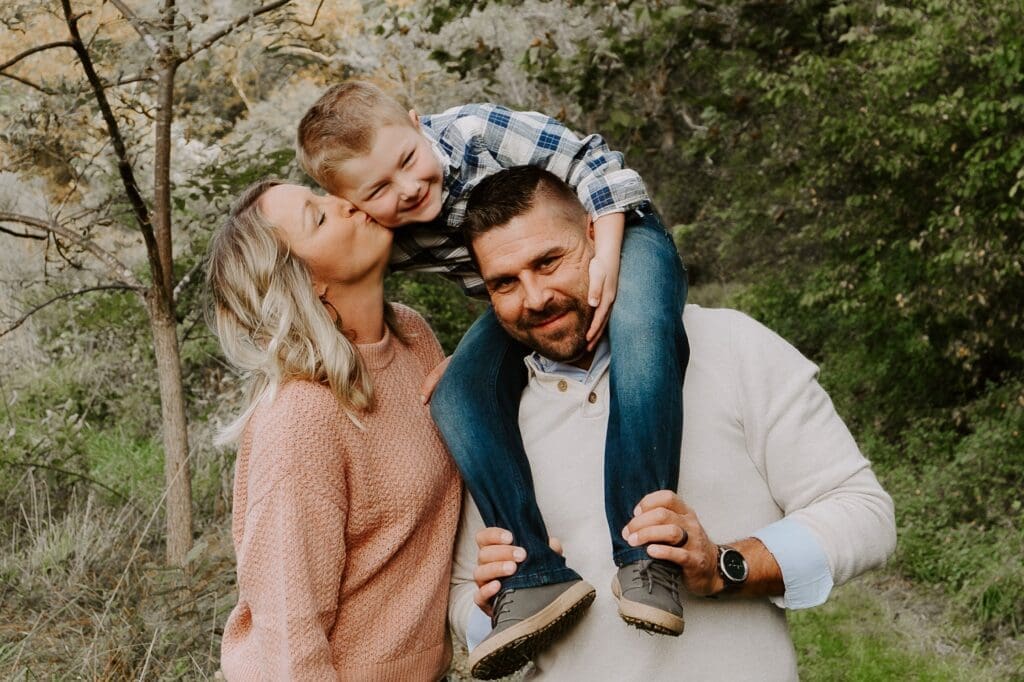
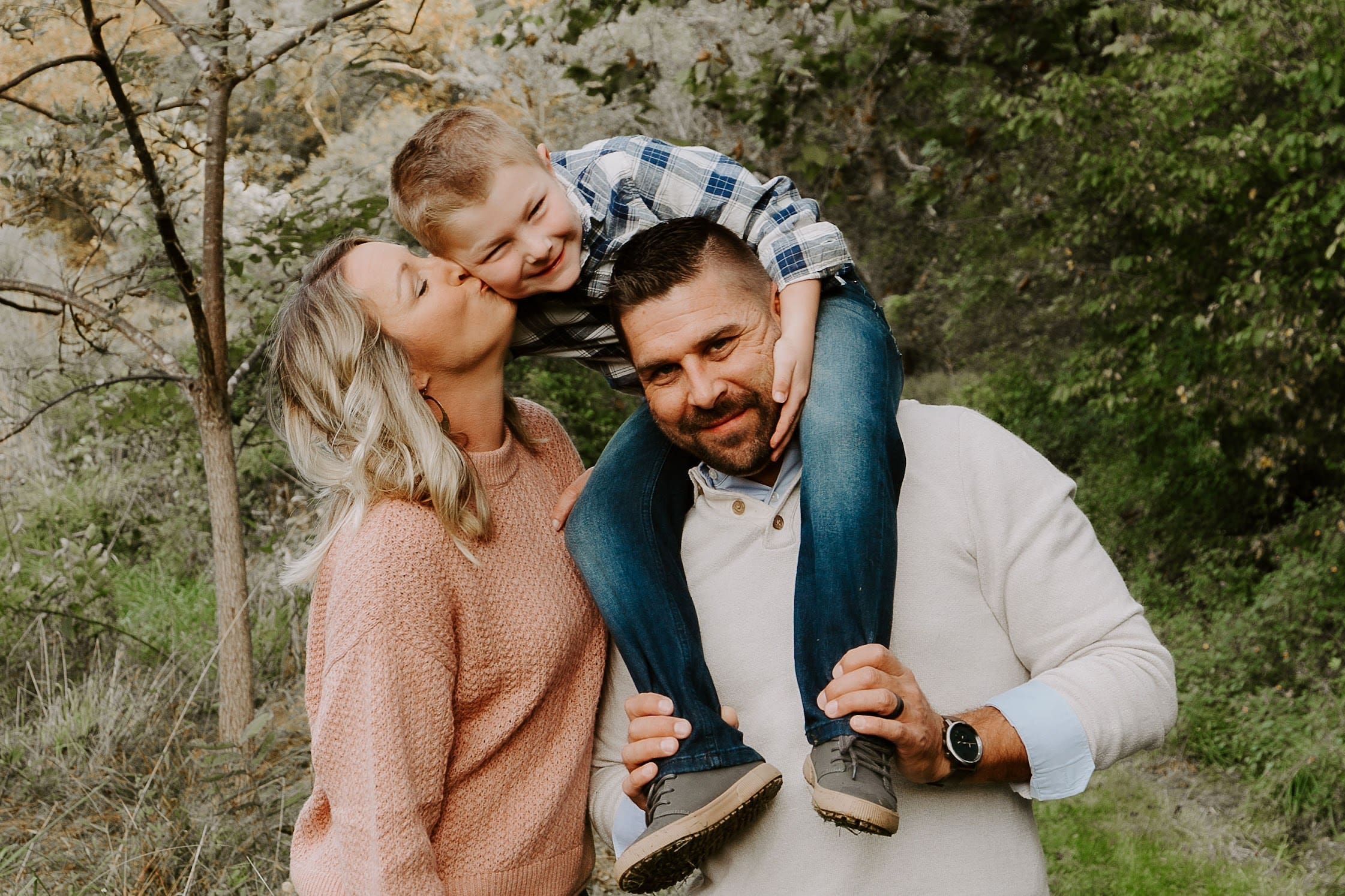
My husband, Ben, and I invested in Archadeck Outdoor Living in 2024 – and I owned another franchise before that. The Archadeck brand is all about making beautiful outdoor spaces for our customers. Think screened-in porches, decks, outdoor kitchens, patios, pergolas, and more.
But that does not mean that I am trying to sell you on becoming an Archadeck franchisee… or on becoming a franchise owner in general!
If anything, it means the opposite: I have a genuine understanding of both the advantages and drawbacks of franchise ownership. Seriously, I have seen it all. And I understand how important it is that you understand what lies ahead as an aspiring franchise owner.
So, let’s talk about what it’s really like to own a franchise that is your family’s business. I’ll start by sharing our story.
Franchise Ownership Meets Family Business
Some people imagine franchises as cold, corporate operations. But that could not be further from the truth!
Individual franchise units are often family businesses, locally owned and operated, serving communities where the owners live, too. Our family’s Archadeck franchise is just one example of many.
When Ben and I decided to invest in a franchise, we knew we wanted more freedom and flexibility for our family. Like many families, we had spent years balancing careers, raising our son, and chasing professional goals. Ultimately, we realized that we wanted more control over our future and the chance to work toward a shared vision.
Building a business together gave us the opportunity to combine our strengths while also creating something meaningful for our family, providing jobs in our community, and investing in our future together.
An added bonus? Our son, Cannon, gets a front-row seat to real entrepreneurship. He sees all of the hard work, commitment, and cooperation that go into running a business. Those lessons are invaluable – and they will stay with him for the rest of his life.
Setting Boundaries Between Home Life and Work
As you can imagine, when you spend all day working on a business together, it can be easy for conversations about sales, marketing, or projects to follow you to the dinner table. We make an effort to draw boundaries between home life and work life so that we can dedicate meaningful time to being present with our family.
After all, that is why we do the work that we do – to build wealth and stability for our family now and down the line. We love having the flexibility to attend Cannon’s sports games (Ben even coaches his baseball team!) and pursue our own hobbies, too.
Owning a franchise together has given our family gifts we would not have even dreamed of in the corporate world. Spending more time together is just one of many.
Finding YOUR Family’s Franchise Fit
Running a franchise business as a couple or as a family can certainly be challenging at times – but what career isn’t?
My perspective? Obstacles in a career that you can control are infinitely better than roadblocks in the corporate world, where you have no way to take back the reins. Whatever challenges come your way as a franchise owner, you are the one in the driver’s seat.
Success as a franchise owner begins with finding your perfect fit – and that is exactly what we are here to help you with at The Franchise Fit Company.
Our process begins by exploring your career goals as well as your strengths, areas of expertise, and lifestyle needs. Based on a thorough exploration of what you hope to achieve as a franchise owner as well as your financial position, preferences, and other requirements, we will pair you with a selection of top brands.
Throughout the course of the Discovery Process, you will learn more about each brand and find out which one may be the best fit for you. We will be there every step of the way to ensure that you are getting the most out of this process.
At the end of the day, an opportunity that is amazing for one person might be terrible for another person. Every individual has a different vision for what they want their career to look like. Our goal is to match you with a brand that will help you achieve just that.
Let’s Talk Franchise Ownership
Are you dreaming of building your family’s future? Of leaving the corporate world behind for a career that gives you freedom, flexibility, and agency? Of taking control of your own salary and earning potential?
If that sounds appealing, franchise ownership might be the right path for you… and either way, it is worth taking a second look.
Schedule a free meeting right here. I can’t wait to chat with you and discuss franchise opportunities, building your business, and starting a new chapter in your career. Working with me is always 100% free, 100% of the time. Talk to you soon!
Read More
One of the first questions people ask when exploring franchise ownership is this: Can I keep my current job and own a franchise on the side?

It’s a fair question. After all, many people are attracted to franchising because they want additional income, more flexibility, or a path toward financial independence. Jumping directly into full-time business ownership can feel risky, especially if you’re supporting a family, paying a mortgage, or simply aren’t ready to walk away from a steady paycheck.
The good news is that both part-time and full-time franchise ownership are possible. The challenge is understanding which option aligns with your goals, schedule, financial situation, and personal lifestyle.
After being a franchise owner myself and helping countless people explore franchise opportunities as a franchise coach, I have learned that the right franchise is not just about industry or investment level. It is also about how the business fits into your life.
Today, we are going to look at the realities of part-time versus full-time franchise ownership and what your lifestyle may actually demand.
What Modern Franchise Ownership Really Looks Like
Many people picture franchise ownership as opening a storefront, unlocking the doors every morning, and working behind the counter until closing time. While some franchise models certainly require hands-on involvement, many modern franchises are structured very differently.
Today’s franchise landscape includes all kinds of different options, such as:
- Executive ownership models
- Semi-absentee ownership opportunities
- Home-based businesses
- Service-based businesses
- Manager-run operations
- Mobile business models
- And many more!
This means there are franchise opportunities designed for people who want to remain employed elsewhere, as well as opportunities for those seeking a full-time career change.
The key? Understanding that not every franchise is built the same way.
What Is Part-Time Franchise Ownership?
Part-time franchise ownership, also called semi-absentee ownership, generally means you’re not spending your entire workweek operating the business. In many cases, semi-absentee franchise owners:
- Maintain their current job
- Manage the franchise during evenings or weekends
- Hire employees or managers to handle daily operations
- Focus on oversight, growth, and strategic decisions
Some franchise systems specifically market themselves as “semi-absentee” opportunities because they can be operated without the owner being physically involved every day.
Examples may include:
- Business services
- Staffing franchises
- Property management services
- Certain home services businesses
- Vending or automated retail concepts
- Some senior care and consulting models
However, “part-time” doesn’t mean “no time.” This is one of the biggest misconceptions prospective franchise owners have.
Even franchises designed for semi-absentee ownership require leadership, oversight, hiring decisions, financial review, and problem-solving. The business still needs an owner.
When Part-Time Franchise Ownership Makes Sense
Part-time franchise ownership can be a great fit if you’re looking to reduce risk while building another income stream. You may be a strong candidate if…
You Want to Keep Your Current Salary
Many professionals aren’t ready to leave a six-figure salary immediately. A semi-absentee franchise can allow you to start building your business while maintaining financial stability. This can create a bridge between traditional employment and entrepreneurship.
We can also discuss models that will let you start in a semi-absentee capacity and eventually move into a full-time role once the business takes off. There are all kinds of franchises out there for an aspiring business owner who is ready to put in the work.
You Have Strong Management Skills
Semi-absentee ownership often requires managing people rather than performing daily operational tasks. If you’ve led teams, managed departments, or overseen projects, you may already have skills that transfer well to this ownership style.
You Want to Build Long-Term Wealth
Some people aren’t looking for another job. They’re looking for another asset. A franchise can become part of a broader wealth-building strategy, creating cash flow and potentially increasing enterprise value over time.
You Have Limited Available Hours
If you’re raising children, caring for aging parents, or balancing other responsibilities, a business that demands 50 to 60 hours per week may not be realistic. A franchise designed for lower owner involvement may fit better.
The Challenges of Semi-Absentee Franchise Ownership
Part-time ownership sounds appealing, but it comes with tradeoffs. Let’s take a look at some of the potential drawbacks.
Remember, our job here at The Franchise Fit Company is not to sell you on either part-time or full-time franchise ownership. We simply want to help you gain a holistic picture of what franchise ownership really looks like in either case. Then, we can talk about whether or not this path is right for you – and if so, which business models could be the perfect fit.
You Need the Right Team
The less involved you are, the more important your employees become.
Hiring mistakes can be costly. Many semi-absentee owners discover that success depends heavily on finding trustworthy managers and creating accountability systems.
Growth May Be Slower
A business generally grows faster when an engaged owner is actively driving sales, networking, recruiting, and developing customer relationships. Part-time ownership may create limitations on how quickly the business can expand.
Emergencies Don’t Respect Your Schedule
Even in well-run businesses, unexpected issues arise: Employees quit. Equipment breaks. Customers have concerns.
You may not be working in the business daily, but ownership still carries responsibility.
What Is Full-Time Franchise Ownership?
Full-time franchise ownership means the business becomes your primary professional focus. You’re dedicating most of your working hours to launching, operating, and growing the franchise.
This doesn’t necessarily mean you’ll be performing every task yourself forever. Many owners eventually build teams and reduce their day-to-day involvement. However, especially during startup, full-time owners are often heavily engaged.
You might find a full-time franchise owner handling tasks like…
- Leading sales efforts
- Building community relationships
- Recruiting employees
- Managing operations
- Monitoring financial performance
- Driving growth initiatives
- And more!
For many people, franchise ownership becomes a career rather than a side investment.
When Full-Time Ownership Makes Sense
Full-time franchise ownership can be a powerful option for people seeking greater control over their future. Here are some scenarios where it might be the best option.
You’re Ready to Leave Corporate America
Many franchise buyers come to me after years of climbing the corporate ladder. They’re successful professionals, but they feel stuck. They want more control over their time, income, and future.
For these individuals, full-time ownership often creates the best opportunity to build something they truly own.
You Want to Maximize Growth
Businesses tend to grow faster when owners are deeply involved. If your goal is scaling quickly, adding territories, building multiple locations, or creating a large enterprise, full-time engagement often accelerates results.
You Enjoy Leadership and Business Development
Many franchise owners thrive because they enjoy leading people, building relationships, and creating opportunities. If you’re energized by those responsibilities, full-time ownership may be highly rewarding for you.
You’re Seeking Income Replacement
If your primary goal is replacing your current salary, full-time involvement may provide the fastest path. Many franchise systems expect owners to be actively engaged, particularly during the early stages of operation.
The Challenges of Full-Time Ownership
While full-time ownership offers tremendous opportunity, it isn’t right for everyone. Why not? Here are a few reasons.
Startup Periods Require Commitment
Even the strongest franchise systems have learning curves. The first year often involves significant effort as you establish processes, build a customer base, and develop a team.
Income May Take Time
Many people leave their existing employment expecting immediate income replacement. In reality, most businesses (franchises and otherwise) require time to mature. Having adequate financial reserves and realistic expectations is important – and we will talk about those expectations when we work together!
Your Identity May Shift
Business ownership often changes how you spend your time and energy. The transition from employee to owner can be exciting, but it can also require personal adjustment.
The Most Important Question: What Does Your Lifestyle Demand?
When people ask me whether they should pursue a part-time or full-time franchise, I don’t start by looking at franchise brands. I start by looking at their life.
Some of the questions we explore include:
- How many hours can you realistically dedicate each week?
- Are you willing to manage employees?
- Do you need immediate income?
- What are your financial obligations?
- Do you travel frequently?
- What role does family play in your schedule?
- Do you want another investment or a new career?
- How much risk are you comfortable taking?
These answers often reveal the best ownership model long before we start evaluating franchise options.
A franchise that looks perfect on paper can become frustrating if it doesn’t fit your lifestyle.On the other hand, a franchise that aligns with your schedule, goals, and strengths can become an incredibly rewarding business.
There Is No One “Best” Option
One of the biggest mistakes prospective franchise owners make is assuming there is a right answer for everyone.
There isn’t.
I’ve worked with clients who successfully built franchises while maintaining demanding careers.
I’ve also worked with people who left corporate positions and built thriving full-time businesses.
Neither path is inherently better. The goal is alignment.
The best franchise is not necessarily the one with the highest revenue potential or the biggest brand recognition. It’s the one that fits your personal goals, financial needs, strengths, and lifestyle expectations.
Final Thoughts on Full-Time vs. Semi-Absentee Franchise Ownership
Franchise ownership can be an incredible vehicle for creating income, flexibility, and long-term wealth. But success starts with understanding the type of ownership experience you’re actually seeking.
If you’re looking for a supplemental income stream while maintaining your current career, a semi-absentee or part-time franchise model may be worth exploring.
If you’re ready for a major career change and want to build a business that becomes your primary focus, full-time ownership may provide greater opportunities for growth and control.
The important thing is being honest about what your life can realistically support.
The right franchise shouldn’t just fit your budget. It should fit your lifestyle.
As a franchise owner myself, I’ve seen firsthand how powerful finding the right fit can be. That’s why I help clients look beyond franchise brands and focus on finding opportunities that align with who they are, how they want to spend their time, and what they ultimately want their future to look like.
Because the best franchise isn’t the one everyone else is buying. It’s the one that’s built for you.
Let’s Talk About Franchise Ownership
Schedule a free meeting right here. I can’t wait to chat with you and discuss franchise opportunities, building your business, and starting a new chapter in your career. Working with me is always 100% free, 100% of the time. Talk to you soon!

Read More
Carolinas, USA – After nearly two decades in the high-pressure world of emergency medicine, Carter, a physician at the Medical University of South Carolina, has decided it’s time to prepare for a new chapter. With plans to transition out of clinical medicine at some point, Carter has chosen Garage Experts as the franchise that aligns best with his long-term goals, lifestyle needs, and vision for the future.

A Strategic Transition from Medicine to Business
For Carter, medicine has always been about service and problem-solving under pressure. But as healthcare becomes more corporatized, he found it important to begin looking outside of medicine for opportunities that would give him more control, stability, and the chance to build something of his own.
“I’m preparing for my departure from medicine at some point in the future,” Carter explained. “I’ll need a business that can provide sustainable income, can be managed with flexibility, and allows me to shift into full-time ownership when the time is right.”
Why Garage Experts Was the Right Fit
Carter explored a wide range of opportunities, from self-storage and vending machines to laundromats and forestry land management. Ultimately, Garage Experts stood out as the perfect balance of scalability, stability, and lifestyle flexibility.
The franchise’s proven systems and ability to be operated with part-time oversight, accompanied by a full-time general manager, appealed to Carter’s need for a business that can grow while he continues practicing medicine, then transition into full-time management as he phases out of clinical work.
“With Garage Experts, I saw a business that wasn’t dependent on the volatility of healthcare or the stress of corporate politics,” he said. “It’s an opportunity to create a sustainable business with strong demand and a clear growth path.”
Strengths That Translate to Ownership
Carter brings unique strengths to business ownership: the ability to perform under pressure, strong interpersonal skills, and a natural problem-solving mindset. These qualities, honed in emergency medicine, translate directly to running a service-based business where customer satisfaction and reliability are paramount.
Surviving nearly two decades in one of the most demanding medical specialties, particularly through the challenges of COVID-19, stands out as Carter’s greatest personal achievement. That resilience, combined with his business education background and experience teaching and mentoring, provides a solid foundation for success in franchising.
While running a business is not familiar territory and he knows there will be challenges along the way, the support of the franchise system and those around him, he feels confident this will be a long-term success.
Building a Post-Medicine Legacy
More than just an investment, Garage Experts represents Carter’s path to independence and stability as he transitions away from medicine. With a focus on creating a business that can sustain his family’s future without heavy leverage, Garage Experts offers both the financial and personal freedom he’s been seeking.
“Garage Experts checked all the boxes,” Carter said. “It allows me to plan for the future, build something meaningful, and finally take control of my career outside of medicine.”
Find Your Franchise Fit Today
Step into the next chapter of your career as a franchise owner when you find the perfect franchise fit. At The Franchise Fit Company, we are dedicated to helping each and every one of our clients discover the franchise brand that perfectly aligns with their goals, needs, and priorities.
Schedule a free meeting right here. I can’t wait to chat with you and discuss franchise opportunities, building your business, and embarking on a new career adventure. Working with me is always 100% free, 100% of the time. Talk to you soon!

Read More
One of the biggest misconceptions in franchising is this: “I bought a franchise, so the brand will handle the marketing.”

In part, that is true. A strong franchise system should provide brand recognition, marketing tools, training, templates, campaigns, and support.
But the franchisor cannot be you in your local community.
They cannot shake hands at the chamber event for you. They cannot build trust with the local PTA, youth sports league, realtor group, HOA, school, gym, church, networking group, or neighboring business owner. (And that list could go on and on.) They cannot become the face people recognize when they think, “I know who to call.”
That part, what we call grassroots marketing, belongs to the franchise owner. And in many markets, that is the difference between a business that simply opens… and a business that actually grows.
Franchising Gives You the Playbook – Local Marketing Brings It to Life
A franchise gives you a system. That system may include branding, technology, vendor relationships, operational support, training, national campaigns, and proven processes. But even the best system still requires local execution.
This is where grassroots marketing matters.
Grassroots marketing is not just handing out flyers or sponsoring a random event. It is the intentional act of becoming visible, trusted, and connected in your local market.
Grassroots marketing is all about relationship-building and showing up consistently. In short, it is making sure your community knows there is a real local owner behind the brand.
Because here is the truth: People may recognize the franchise name, but they often choose the person behind it.
In fact, many people do not realize that franchises are locally owned businesses – they are owned by members of the community, just like you. An overwhelming majority (90%) of Americans believe that shopping locally has positive impacts, and 65% want to shop local more often. So, show them that supporting your business means doing just that.
How? Grassroots marketing.
What Is Grassroots Marketing?
We keep saying that phrase, “grassroots marketing,” but what does it actually mean?
Grassroots marketing is a highly targeted strategy for building trust and engagement among a local audience. Instead of casting a wide net with mass advertising (oftentimes, the franchisor will handle this piece for you), grassroots marketing focuses on creating highly engaged local supporters.
The results of a strong grassroots marketing push? Real, authentic local support. Positive word-of-mouth “advertising” that draws people into your business. A reputation for trustworthy services and confidence in the products or services you offer. Reviews that speak for themselves.
All of these things are tied to building relationships with your local customers. And they are people too, just like you. Thus, you can think of grassroots marketing as touching the personal side of your business – making authentic connections that benefit everyone involved.
Local Trust Can Beat Bigger Competition
In many industries, your competitors may have bigger budgets, longer histories, or more name recognition.
But local trust is powerful. A franchise owner who is actively involved in the community can often create a competitive advantage that money alone cannot buy.
Why? Because people prefer doing business with people they know, like, and trust.
When you are visible in the community, you are no longer just another business option. You become the person who supports the local baseball team, shows up at the school fundraiser, attends the town council breakfast, partners with other small businesses, and remembers people’s names.
That matters… especially in service-based businesses, home services, youth services, fitness, wellness, food, pet care, senior care, and many other franchise categories where trust drives buying decisions.
Grassroots Marketing Builds Momentum Before You Need It
One mistake new franchise owners make is waiting until they need customers to start building relationships. At that point, you are already running behind.
Grassroots marketing should begin before opening day. Before the doors open, before the trucks roll out, before the first customer books… the owner should already be building awareness.
So, what does grassroots marketing look like in practice? Here are a few examples:
- Introducing yourself in local business groups
- Joining your town or city’s chamber of commerce
- Meeting complementary business owners
- Sponsoring a youth sports team
- Attending community events
- Hosting a local open house
- Partnering with schools, gyms, realtors, HOAs, nonprofits, or neighborhood groups
- Sharing your owner story on social media
- Asking happy customers for Google reviews
- Creating referral relationships
- Showing behind-the-scenes moments of the business launch
- Attending networking events for local business owners
- Joining Facebook groups for businesses or related interests in your area
- Signing up for local trade shows
- And so much more!
These small actions compound, and the goal is simple: when someone needs your service, your name is already familiar.
The Best Franchise Owners Do Not Hide Behind the Brand
The brand matters, of course. The brand is probably a big part of why you are buying into a particular franchise, after all. But the owner matters too.
In fact, some of the strongest franchisees are not always the ones with the biggest territories or the flashiest ads. They are the ones who become local ambassadors for the brand.
They are present. They are responsive. They build referral networks.They follow up. They ask for reviews. They tell their story. They connect with other business owners.
They understand that marketing is not just a corporate department. It is an owner’s responsibility, and the most successful franchise owners embrace it.
Grassroots Marketing Tactics That Can Go a Long Way
Grassroots marketing does not have to be complicated or expensive. Some of the most effective actions are simple and repeatable. Here are a few of our favorite examples that you can use as jumping-off points…
#1: Sponsor Local Youth Sports
A logo on a jersey or banner is nice. But the real value comes from showing up. Attend the games, take pictures, congratulate the team, and share posts. Build relationships with parents and coaches.
They will remember how you showed up for their children and mentees when the time comes for them to call up your business.
#2: Build Referral Partnerships
If you own a home services franchise, connect with realtors, interior designers, builders, landscapers, mortgage brokers, and property managers.
If you own a wellness franchise, connect with gyms, physical therapists, nutritionists, schools, and local employers.
The right referral partner can become a long-term growth channel.
#3: Get Involved With the Chamber of Commerce
A chamber of commerce is a network of business owners and leaders in your local area. These organizations work together to foster growth and create opportunities. You should join… but more than that, you should actually participate.
Attend events. Volunteer. Host a lunch-and-learn. Offer value before asking for business. All in all, visibility builds trust. Show that you are someone others can count on. Make yourself known.
#4: Showcase Customer Stories
People connect with stories more than sales pitches. Share before-and-afters, testimonials, project spotlights, community moments, team introductions, and customer wins. Highlight the amazing reviews that customers leave you.
All of these tactics let people see the human side of the business.
#5: Ask for Google Reviews Consistently
Related to the above? Reviews, reviews, reviews!
Reviews are the modern version of word-of-mouth advertising. A franchise owner who builds a strong review base can gain a major edge in local search results and customer trust.
Do not wait. Make review requests part of the operating process. It might feel awkward at first, but after a while, it will simply become automatic.
#6: Partner With Other Local Businesses
Cross-promotions can be powerful. For instance…
- A kids’ brand can partner with a local ice cream shop.
- A fitness brand can partner with a nutrition business.
- A home services brand can partner with a realtor or flooring company.
- A pet brand can partner with a groomer, trainer, or rescue.
Local businesses grow faster when they support each other. Be part of this compounding power.
Grassroots Marketing Is a Mindset
Grassroots marketing is not just about tactics. It is about how the owner views the business.
A franchise owner cannot sit back and assume the phone will ring because the brand has a nice logo, a website, and national marketing.
The best owners take responsibility for local momentum. They understand that the franchisor provides the system, but the owner creates the local heartbeat. Your local market is where trust is built, where referrals happen, and where repeat customers arise. Effective grassroots marketing is where the competition starts to lose ground.
Are You Ready to Embrace the Local Side of Franchise Ownership?
If you are exploring franchise ownership, do not just ask, “What marketing does the franchisor provide?” Ask questions like…
- “Am I willing to be visible in my community?”
- “Am I enthusiastic about building relationships?
- “Am I excited to become the local face of this brand?”
- “Am I willing to show up before the business needs me to?”
Buying a franchise does not remove the need for grassroots marketing. It gives you a stronger platform to do it well. And the owners who embrace local marketing efforts are often the ones who get ahead.
Kickstart Your Franchise Ownership Journey
Are you ready to get started on your path toward becoming a franchise owner? Investing in a franchise is an amazing opportunity that can set you up for long-term success and even generational wealth. We’ll support you at every step along the way as you learn about different brands, systems, marketing strategies, and more. In short, we’re here for you.
Schedule a free meeting right here. I can’t wait to chat with you and discuss franchise opportunities, building your business, and starting a new chapter in your career. Working with me is always 100% free, 100% of the time. Talk to you soon!

Read More
When you embark on your journey to find the best franchise FIT, we will begin what we call the Discovery Process. This is a 6-8 week journey to finding the perfect brand for you.

The word “journey” might sound a little bit out there… but trust us on this one. The Discovery Process really is a journey, one during which you will explore different brands, learn about funding options, validate with franchisors you are interested in, and perhaps even attend a Discovery Day (also known as Meet the Team Day).
Today, we’re going to take a deeper dive into the Discovery Process, talking about what to expect, its goals, and more. Plus, we’ll be debunking one of the key myths surrounding this part of the path to franchise ownership: The Discovery Process is not about being SOLD.
What Is the Discovery Process?
The Discovery Process begins after our introductory call, during which our team learns more about you. Our first call is all about gathering information and understanding your goals, wants, and non-negotiables. It sets us up for success during the Discovery Process.
Let’s break down the Discovery Process into a few sections so you get the full picture…
Franchisor Pairings
The Discovery Process truly kicks off when we pair you with 3-5 different franchisors. You will have introductory conversations with each brand.
How do we know which brands to pair you with? We turn to all of the information we collect during our introductory call. Using that info and our extensive knowledge of the franchise space, we choose a selection of brands that we think might just be the right fit for you.
FIT Tip: The most important part of the Discovery Process is learning. Keep an open mind and learn as much as possible about each franchisor. The time for making decisions comes later.
Debrief Calls
Don’t worry – you’re not alone during the Discovery Process. We’re here with you every step of the way.
Throughout the Discovery Process, you will participate in weekly calls with us at The Franchise Fit Company. We will discuss franchisor conversations, answer questions you have, and prepare for next steps. Our goal? Helping to ensure that you get the most out of your franchisor conversations.
Funding Exploration
Now that you’re learning more about a few different franchise brands, those tough questions are going to start coming up. Most pressing… How am I going to afford this?
First of all, we’ve got your back.
At the beginning of the Discovery Process, we will discuss your funding options in detail. We will ensure you feel comfortable with your investment range, the timeline to getting funded, and what choices are available to you. We can also help set up conversations with lenders.
Conversations about money might seem awkward, but being honest and straightforward about your financial situation is the best – actually, the only – way to make sure that you are investing at an appropriate and comfortable level according to your personal risk tolerance.
We are not going to pair you with franchises that are way above your investment range – so go ahead and scratch that worry off of your list.
Of course, exploring and understanding your funding options is a key part of investing in a new business. Even when you are working within your comfortable investment range, you will likely be considering options like SBA (Small Business Administration) 7a loans, the ROBS (Rollover as Business Startup) program, and more.
We have a wealth of experience supporting our clients through the funding process – and your journey with us will be no exception. While we’re not financial professionals, we can absolutely help you gain a better understanding of the funding choices available to you.
The Validation Stage
You will have numerous conversations with franchisors, during which you will speak to other franchise executives and existing owners with the brand. You will talk about mapping out territories and locations as well as many other topics.
The Validation Stage is a key part of the Discovery Process. It gives you the opportunity to learn more about a brand with insider perspectives.
We’re here to help you make the most of the validation stage with advice and support around the best questions to ask, who to talk to, and how to get the best information.
We have even written a blog about the Validation Stage – check it out right here!
FIT Tip: This vetting, or “validation” process is mutual! Existing franchise owners are trying to learn more about you just as much as you are trying to learn more about them. Make sure to put your best foot forward during this stage.
Discovery Day
The final step in the Discovery Process? Discovery Day, also called Meet the Team Day.
Meet the Team Day is a chance to meet the franchisor’s team and is normally located at their headquarters. You will get a complete picture of all the ways brands support their owners and how their systems work. Typically, this is the final step before a franchise is awarded and you decide to accept.
Don’t worry, we’ll help you prepare to shine during this moment.
FIT Tip: Remember, franchises are awarded, not sold. More on this in just a second…
So, Am I Being Sold?
Okay – we’ve covered the basics of the Discovery Process. Now that you have a solid understanding of what the process looks like, you might have a common question.
Am I being sold?
The short answer? No.
The long answer? Well, you asked for it…
Am I being sold on becoming a franchise owner?
Here at The Franchise Fit Company, we are not here to convince you to become a franchise owner. We are here to educate you about the process and help you determine whether or not this journey is right for you.
We are committed to offering impartial information to help you decide whether or not you want to move forward at every step of the way.
It can be tempting to ask these questions to AI, or artificial intelligence. But remember, there are some risks there. AI bots can “hallucinate,” or come up with information that sounds real but isn’t actually based on anything.
When you work with us at The Franchise Fit Company, we leverage decades of experience in the franchise space and even franchise ownership experiences of our own to give you the most perspective and real world information possible.
We don’t want you to sign on for a career change that isn’t right for you – not at all. We want to help you learn more about a potential next step and fully understand the risks and rewards of franchise ownership.
Am I being sold on a particular brand?
Remember what we said earlier: Franchises are awarded, not sold.
During the Discovery Process, you will speak to multiple different brands and learn more about their franchise systems. Of course, they will emphasize their strong points – they are not stupid. Who wouldn’t?
At the same time, you have numerous opportunities to investigate those claims. Remember the Validation Stage that we mentioned? That’s where you double check all of the info from the franchise.
You will talk to existing owners to learn more about what it is really like to invest in a franchise. And trust me, these people are not trying to sell you on becoming an owner.
In fact, the Discovery Process and the Validation Stage are both very mutual. The franchise brand and its owners want to ensure that you will be a good fit for the brand just as much as we want to ensure that the brand is a good fit for you.
They are looking for people who will succeed, who will represent the brand strongly, and who will thrive in a franchise ownership role. The question is… is that you?
The Discovery Process – It’s Mutual
The Discovery Process is not about selling you on a particular brand – or even selling you on becoming a franchise owner.
Our team at The Franchise Fit Company takes a neutral position. We’re here to be your advocate, advisor, and sounding board. We’ll support you as you sift through information from the brand itself, existing owners, and others to find the decision that works for YOU.
Here, it is all about finding your FIT. That’s our #1 priority.
Kickstart Your Franchise Ownership Journey
Are you ready to get started on your path toward becoming a franchise owner? Investing in a franchise is an amazing opportunity that can set you up for long-term success and even generational wealth. We’ll support you at every step along the way as you learn about different brands, systems, and perks. In short, we’re here for you.
Schedule a free meeting right here. I can’t wait to chat with you and discuss franchise opportunities, building your business, and starting a new chapter in your career. Working with me is always 100% free, 100% of the time. Talk to you soon!
Read More
Philadelphia, PA — After a successful corporate career in the financial sector, Sam, an MBA graduate of the Darden School of Business at UVA and former Vice President in financial services, has taken a bold step toward self-employment. With years of experience in strategy, analytics, and customer acquisition, Sam is now embarking on his next chapter as a Pirtek USA franchise owner.

“Franchising gave me the structure and support I was looking for while still allowing me the independence I wanted.”
For Sam, the decision to pursue business ownership stemmed from a desire to take control of his career path and move away from the frustrations of corporate life. “I wanted to write my own destiny, make my own hours, and build something that benefits both my employees and my community.”
A Strategic Fit
Coming from a background where he was responsible for developing credit card pricing models and leading customer growth initiatives, Sam has always thrived in problem-solving and mentoring roles. His straightforward approach and ability to quickly analyze complex challenges make him well-suited for Pirtek USA’s fast-paced, service-oriented business model.
Pirtek, a global leader in fluid transfer solutions and on-site hydraulic hose replacement, appealed to Sam for its recession-resistant services, stable margins, and strong growth potential. Unlike industries plagued by high employee turnover or low margins, Pirtek offers the type of sustainable, scalable opportunity Sam was seeking.
“Pirtek checked all the boxes,” Sam said. “It provides an essential service, isn’t dependent on minimum-wage labor, provides career advancement opportunities for employees, and offers a path to building long-term financial security for my family.”
Values That Align with Ownership
Sam’s personal career goals – being his own boss, driving transparency, and building a culture of integrity – fit naturally with the Pirtek model. His proudest achievements include helping less fortunate communities in both India and the United States, a passion he looks forward to carrying into his business by supporting local employees, customers, and communities.
A Bright Future With Pirtek USA
As Sam transitions from corporate executive to franchise owner, he’s eager to leverage his financial and strategic expertise to grow his new business. He is poised to make a meaningful impact while carving out his own legacy of business ownership.
“Franchising gave me the structure and support I was looking for while still allowing me the independence I wanted,” Sam said. “With Pirtek, I see a future where I can build a thriving business and a better balance for my family.”
Find Your Franchise Fit Today
Step into the next chapter of your career as a franchise owner when you find the perfect franchise fit. At The Franchise Fit Company, we are dedicated to helping each and every one of our clients discover the franchise brand that perfectly aligns with their goals, needs, and priorities.
Schedule a free meeting right here. I can’t wait to chat with you and discuss franchise opportunities, building your business, and embarking on a new career adventure. Working with me is always 100% free, 100% of the time. Talk to you soon!

Read More
If you’ve been thinking about business ownership – especially through owning a franchise – you might be waiting for the “perfect moment.” Here’s the good news: many indicators suggest that the moment is closer than you think.

When the economy is booming, costs are higher, competition is fierce, and labor is tight.
When the economy cools, financing tightens, but talent becomes more available – and costs may ease.
The point? Each economic cycle comes with its own set of advantages and its own challenges. Waiting for the “perfect time” usually means waiting forever.
If economic factors are influencing your decision on when to buy a franchise, you might be waiting in vain. In this article, I am going to discuss the ins and outs of economic influences on franchising.
I hope that by the time you’re done reading, you will feel confident in moving forward with franchise ownership regardless of the economy in any given moment. You will be informed about how the economy does and does not affect franchise ownership – and you will understand where considering economic factors is important and where it falls short.
The Case for Taking Action — Regardless of the Economy
- Business Ownership Is a Long Game
Franchises are not designed for quick wins – they’re built for consistent, long-term growth. Whether you start in a high or low economic cycle, your true results come from how well you operate, lead, and adapt over time – not the headlines of the day. - Great Opportunities Don’t Wait
The best franchise territories, prime locations, and top-performing brands are being awarded right now. Market timing matters less than availability – and waiting too long can mean missing your ideal fit. Sometimes, getting into the game during an economic downturn actually offers you MORE opportunities that others are missing out on because of undue caution. - Resilient Businesses Thrive in Every Market
Some of the strongest franchise models are built around essential services – think home repair, senior care, B2B services, or health and wellness. These sectors don’t rely on economic booms to succeed. In fact, many grow because of economic shifts. - You Can Control Your Effort, Not the Economy
What you can’t control: interest rates, consumer confidence, or inflation. What you can control: your mindset, effort, and execution. Those factors have far more impact on your long-term success than external conditions. - Downturns Often Create the Best Entry Points
Historically, some of the strongest franchise success stories began during recessions or slowdowns. Why? Lower startup costs, greater labor availability, and pent-up demand that returns when conditions stabilize. You’re betting that the economy will return to “normal” again – and that bet has paid off every single time.
Now, let’s take a closer look at some of the many reasons that owning a franchise can be a successful path forward in any economy.
Resilient Growth in Franchising
Even amid uncertainty, the franchise industry is showing strength:
- In 2024, U.S. franchise establishments increased by about 2.2%.
- For 2025, output for franchise-owned businesses is projected to reach approximately $936 billion, up about 4.4% over 2024.
- Some sectors – like personal services (health and wellness, home services, etc.) and quick‐service restaurants (QSR) – are expected to grow faster than many other parts of the economy.
What does this tell us? Franchising is not frozen by economic headwinds. Instead, it’s one of the business ownership options showing forward momentum.
The Support of a Proven Model
What makes a franchise attractive in uncertain times? There are some consistent facts about franchise ownership that make it a worthwhile investment no matter the economic situation. In other words, it is always a good time to own a franchise when you take these factors into consideration…
- You’re stepping into a business model with brand recognition, established systems, training and support.
- Franchises benefit from group buying power, operational efficiencies, and marketing muscle – things independent startups often lack.
- If consumer spending remains cautious, familiarity matters. Consumers tend to stick with trusted brands when the economy is shaky.
Economic Conditions Aligning in Your Favor
Another perspective? While some people see the current economy as risky and uncertain, and hence unfavorable for franchise ownership, that is not the whole story. Here are some of the factors creating a favorable environment for franchise ownership right now:
- Inflation is moderating, and interest rates are stabilizing. These factors reduce some of the cost pressure for new business owners.
- Consumer confidence is improving. When people feel more confident about their income and jobs, they start spending again – especially on the services and convenience offerings that many franchises provide.
- Franchising is expanding in regions with population growth and business‐friendly environments – meaning there is more opportunity for ownership and growth.
What Does the “Right Timing” Really Mean for YOU?
Economic factors are just one part of the equation when you are considering buying a franchise. Really, your personal readiness is much more important. Let’s translate what “the right time to buy a franchise” might mean for you:
- You’re ready to transition from being an employee to being an owner – and you have the mindset for it.
- You have or can assemble the investment capital (or financing) to get into ownership before the market gets crowded.
- You are looking for a model that fits your skills, lifestyle, location preference, and tolerance for risk.
- You want to be in business when the economy is emerging from uncertainty, rather than waiting until everything is perfect (because it never truly is).
All that said, keep in mind that due diligence is still important…
Doing Your Due Diligence
Even though conditions are favorable, success as a franchise owner is not a guarantee. As such, you will want to be cautious and thorough. Here at The Franchise Fit Company, we are here to guide you through every step of the process on your journey to becoming a franchise owner. Any questions you have along the way, we’ve got your back.
Here are a couple of the most important parts of true due diligence when investigating a franchise:
- Review the franchise disclosure document (FDD), look at historical financials, and talk to existing franchisees.
- Understand the industry you’re entering – some are more resilient (home services, essential services) than others (luxury discretionary retail).
- Be realistic about your role. Ownership still means work, leadership, decision-making, and risk. The model may be proven, but the execution is up to you.
What This Means for You
If you’ve been waiting for some sign to start seriously exploring franchise ownership – consider this it.
Now could be the perfect window to:
- Learn more about how franchising works (fees, models, support)
- Clarify your goals: What’s the lifestyle you’re seeking? What type of business fits you?
- Get in the game early enough to pick the right brand, market, and model before everyone jumps in.
At The Franchise Fit Company, my mission is to help you explore FREE of pressure, figure out if business ownership via franchising is the right next chapter, and then support you in finding the right fit. Because fit matters – not just timing.
Discover Fear-Free Franchise Ownership
There are always going to be stressors when it comes to owning a franchise, from the process of picking the right business to the day-to-day conundrums that arise as a business owner. But economic factors do not need to be the thing that holds you back from starting your next chapter. Want to learn more about the impact of the economy on franchise ownership? Let’s talk about it!
Schedule a free meeting right here. I can’t wait to chat with you and discuss franchise opportunities, building your business, and starting a new chapter in your career. Working with me is always 100% free, 100% of the time. Talk to you soon!

Read More
SBA loans vs. ROBS program financing… It’s a tough choice! Explore the option that makes the most sense for YOU in our latest article.

One of the most common questions that I get asked as a franchise coach? How can I afford a franchise? Nobody is expecting you to completely cover this investment out of pocket (although paying for your franchise cash is certainly a possibility). For those who need them, many franchise funding options are available. Today, we are going to talk about two of the most popular.
When prospective franchise owners evaluate funding options, two of the most common structures are SBA 7(a) loans and ROBS (Rollovers as Business Start-ups) using retirement funds. Each approach can work well depending on the individual’s financial situation, risk tolerance, and long-term goals.
Now, let’s take a closer look at these two options. This clear breakdown will compare structure, benefits, risks, and long-term implications so that you can feel confident in your path forward toward owning a franchise.
SBA (7a) Loan vs. ROBS (401k Rollover): What Franchise Buyers Should Know
If you are looking to buy a franchise, understanding the funding options behind franchise opportunities is a crucial part of the process. Here at The Franchise Fit Company, we take franchise education seriously. We want to help you build deep knowledge of your options so that you can move forward feeling empowered, confident, and ready to take on franchise ownership like a boss. Let’s start with the SBA (Small Business Administration) loan…
Fit Tip: Check out our webinar on SBA loans to learn more about this funding option in a video format.
1. SBA 7(a) Loan
The 7(a) loan program is the Small Business Administration’s primary business loan program focused on providing financial assistance to small businesses – yes, you read that right! Franchises are small businesses, too! Here’s how it works…
Structure
The SBA 7(a) loan is the most common financing vehicle used in franchising.
How it works:
- First, the borrower applies through an SBA-approved lender (bank or non-bank lender).
- The lender issues the loan, and the U.S. Small Business Administration guarantees a portion of the loan (typically 50% to 75%).
- The borrower receives capital, which can be used for for:
- Franchise fees
- Buildout
- Equipment
- Working capital
- Franchise fees
- The business repays the loan monthly with interest.
Those are the basic steps to acquiring and repaying a Small Business Administration loan. HEre are some other fasts facts you need to know about the typical SBA franchise loan structure:
| Component | Typical Range |
| Loan size | Up to $5 million |
| Down payment | ~10–30% |
| Term | Up to 10 years (business) |
| Interest | Prime + margin |
| Personal guarantee | Required |
Benefits of SBA Financing
Leverage your capital
Instead of using all personal funds, the SBA allows business owners to invest a portion (usually ~20%) and borrow the rest. This is advantageous for those who are not particularly liquid or who have less readily available cash to put down.
Preserves retirement accounts
Your 401(k) remains invested and growing for retirement, as opposed to being used to open your business through an option like ROBS.
Builds business credit history
With an SBA loan, you will be able to build a strong credit history for your business.
Predictable monthly payments
You will have an understanding of the loan term and the payment you owe each month before you sign anything. This helps you avoid unexpected costs.
Lower interest vs. many alternative lending options
As the SBA 7(a) loan is a government-backed program, you will be able to access competitive interest rates that you may not see from competitors.
Considerations & Risk
Personal Guarantee
The borrower is personally responsible for repayment.
Collateral Requirements
Homes, retirement accounts, or other assets may be pledged depending on lender policies.
Debt Service Pressure
Monthly loan payments begin quickly and can impact early cash flow.
Approval Process
SBA loans require documentation and underwriting and can take 30–90 days to complete.
Long-Term Implications
Taking out an SBA 7(a) loan has long-term implications both positive and negative for future franchise owners.
- Builds long-term credit and borrowing capability
- Interest expense reduces taxable income
- Requires stable cash flow to service debt
- Personal liability exists if the business fails
2. ROBS (Rollovers as Business Start-ups)
Now that you have a better understanding of the SBA loan option, let’s turn our attention to ROBS. This acronym stands for Rollovers as Business Start-ups, and it is a little-known franchise funding option that might be just right for your needs.
Remember, even though the ROBS program uses your retirement funds, that is not a red flag! Some people are scared off by the prospect of dipping into their retirement savings, and that is totally understandable. This option may not be for everyone. Other people, however, buying a franchise as an excellent way to build their retirement funds even further and actually use that money to generate wealth that will support their family for years. Here’s a little more about the ROBS program…
Structure
A ROBS allows someone to use retirement funds (typically from a 401k or IRA) to fund a business without paying early withdrawal penalties or taxes.
The process:
- A new C-Corporation is created
- A new 401(k) plan is established within that corporation
- Your existing retirement funds are rolled into the new 401(k)
- The 401(k) purchases stock in the new company
- The company now has cash to fund the business
Essentially, your retirement funds become equity in your company. Sounds pretty good, doesn’t it?
Benefits of a ROBS
No debt payments
There are no monthly loan payments, which improves early cash flow.
No interest costs
With the ROBS program, you are not borrowing money – you are using your own! Therefore, you do not have to pay for interest, saving you lots of money in the long term.
No personal guarantee
Again, not borrowing money comes in handy here. There is no need to leverage your assets or cough up collateral in order to use your own money to buy a franchise.
Faster funding vs. SBA
Compared with SBA 7(a) loans, it typically takes less time to set up a rollover through the ROBS program.
Can be combined with SBA financing
Many franchise owners use a ROBS as the down payment for an SBA loan. Sound interesting to you? We can talk more about the financial side of franchise ownership in our free, one-on-one consultation.
Considerations & Risks
Retirement Risk
With ROBS, your retirement savings are tied directly to the performance of the franchise business. While some people appreciate taking control of their retirement earnings, others find this too risky. Your own individual risk tolerance is up to you.
Must Operate as a C-Corporation
ROBS structures require a corporate structure, which may have tax implications.
Compliance Requirements
The retirement plan must follow IRS and ERISA regulations.
Administrative Costs
It does cost money to set up a rollover through the ROBS program. Here are some ballpark figures you can expect to see…
| Fee Type | Typical Range |
| Setup | $4,000 – $6,000 |
| Monthly administration | $100 – $200 |
Long-Term Implications
There are both positives and negatives to using a ROBS rollover to fund your franchise. Here are some key points to consider when choosing the right franchise funding option for you:
- Your retirement investment is directly tied to business success
- If the business fails, the retirement funds invested may be lost
- Potential upside if the business grows in value
- Requires ongoing retirement plan administration
SBA vs ROBS: Side-by-Side Comparison
Find some more information about an SBA loan vs. a ROBS program rollover right here…
| Factor | SBA Loan | ROBS |
| Debt | Yes | No |
| Monthly payments | Yes | No |
| Interest | Yes | No |
| Personal guarantee | Yes | No |
| Risk to retirement funds | No | Yes |
| Business structure required | Any | C-Corporation |
| Approval process | Bank underwriting | Setup through ROBS provider |
| Tax advantages | Interest deductible | None specific |
| Cash flow pressure | Higher | Lower |
Hybrid Strategy (Common in Franchising)
Many franchise owners use both an SBA loan and a ROBS rollover. Here is an example of what that might look like…
- The franchisee uses $100K from ROBS (retirement rollover) to get started
- They also take out a $400K SBA loan
So, why would you choose this hybrid approach? Benefits of the hybrid approach include…
- Reduces SBA down payment requirements
- Limits personal debt exposure
- Preserves some retirement funds
I like to say that this hybrid structure offers you the best of both worlds – mitigating risks from either side!
Strategic Considerations for Prospective Business Owners
When deciding between SBA or ROBS, here are some key questions to ask yourself:
1. Risk tolerance
Are you comfortable tying your retirement savings to the franchise business?
2. Cash flow expectations
Will the franchise business generate revenue quickly enough to support loan payments?
3. Long-term financial planning
How important is preserving your retirement investments?
4. Exit strategy
How will the business sale or retirement transition impact your financial future?
Final Thoughts on Franchise Funding Options
Both SBA loans and ROBS structures are widely used in franchising, but they lend themselves to different financial strategies:
- SBA loans leverage capital but create debt obligations.
- ROBS eliminates debt but increases personal investment risk.
The best option often depends on financial profile, risk tolerance, and long-term wealth planning. We will talk through all of your options related to owning a franchise during our series of coaching meetings.
Schedule a free meeting right here. I can’t wait to chat with you and discuss franchise opportunities, building your business, and starting a new chapter in your career. Working with me is always 100% free, 100% of the time. Talk to you soon!

Read More
Have you ever wondered why franchise owners have to pay royalty fees? If so, you are not alone. Royalty fees are one of the first numbers that will probably catch your eye when you start looking into owning a franchise – and sometimes, they might seem unfair and frustrating.
Understanding franchise royalties is an important step of the process when opening a franchise and in the years that come after your grand opening. Today, we are going to break down the ins and outs of royalty fees so that you feel confident in what you’re paying for – and why.
Why Franchise Owners Pay Royalty Fees and What Other Ongoing Fees to Expect
If you’re exploring franchise ownership, one of the first numbers that jumps off the page in the FDD is this: Royalties.
You are going to see that royalties eat up 5%… 6%… even 8% of gross revenue.
And the natural reaction is: “Why am I paying someone a percentage of my revenue forever?”
That is a fair question when it comes to owning a franchise.
Let’s break it down clearly, covering what royalties are, why they exist, and what other recurring fees you should understand before signing a franchise agreement.
What Are Royalties?
A royalty is an ongoing fee that a franchise owner pays to the franchisor. You will typically see royalty fees structured in one of the following ways:
- A percentage of gross revenue (most common)
- A flat monthly fee
- A tiered structure (much less common).
Most systems fall in the 4% to 8% range of gross revenue, though some go higher depending on industry and brand strength.
Fit Tip: Remember, royalty fees are usually based on top-line revenue, not profit. This is an important distinction to keep in mind when you are opening a franchise and budgeting to compensate yourself and your employees.
Why Do Franchise Owners Pay Royalty Fees?
Royalties are not just a “brand tax.” They fund the infrastructure that supports the entire franchise system.
We have talked a lot on the blog about the difference between starting a business from scratch, entrepreneurship through acquisition (ETA), and franchise ownership. Franchise royalties pay for a lot of those differences. Here’s what they typically cover…
1. Branding and Intellectual Property
You are licensing a lot from the franchise, including:
- The brand name
- The trademarks
- The operating system
- The playbook
That brand equity did not appear overnight. Royalties support ongoing brand development.
2. Ongoing Training and Support
When you are opening a franchise, you want to invest in a strong system. Strong systems provide:
- Field support
- Coaching
- Operational guidance
- Technology upgrades
- System refinements
Royalties fund the teams that make that level of support possible.
3. Research and Development
Markets change. Consumer behavior shifts. Technology evolves. Royalties help the franchisor ensure that they stay with the times, allowing them to…
- Improve processes
- Enhance marketing systems
- Develop new products/services
- Stay competitive
A healthy system reinvests in innovation, and that is part of what franchise royalties fund.
4. System-Wide Stability
A franchise system only works if the brand remains strong across locations. Franchise royalties allow the franchisor to:
- Enforce standards
- Maintain compliance
- Protect the integrity of the network
Without recurring revenue, a franchisor cannot sustain long-term infrastructure. You benefit when all of the brands in your system are doing well, and royalties help maintain that system-wide stability and a reputation for excellence.
But Let’s Be Honest…
Royalties reduce your margin. You are not keeping 100% of your revenue like an independent operator would.
The question becomes: Is the system support worth the percentage?
That’s a question of business analysis – not just an emotional reaction to a fee.
Now, as an independent operator, you would need to invest in infrastructure to run your business. The offset is finding vendors, marketing strategies, brand, operations – and of course, the process of trial and error. For many, the cost of royalties takes away that headache.
Franchise royalties pay for you to be part of a system where the trial and error is done for you. Vendors are sourced. Marketing strategies are nailed down. You are buying into a solid, reliable, reputable brand – and that benefits your bottom line.
Other Recurring Franchise Fees You May See
Royalties are just one part of the equation. Do not forget about some other common ongoing franchise fees disclosed in the FDD:
1. Brand Fund / Marketing Fund Contribution
This typically amounts to between 1% and 4% of gross revenue. It goes into a national or system-wide marketing fund used for:
- Digital advertising
- Brand campaigns
- Creative development
- SEO
- Website management
- PR initiatives
Important distinction: This is separate from what you spend on local marketing in your territory. It is used for the brand as a whole, and the franchisor decides specifically what to spend it on.
2. Local Advertising Requirements
Some systems require additional franchise fee spend for local advertising, such as…
- A minimum monthly ad spend
- A percentage allocated locally
- Participation in co-op marketing groups
Even if it is not required by your franchise brand, local marketing is essential, both when you are first opening a franchise and in the years that follow.
3. Technology Fees
Franchise fees for technology may include:
- CRM systems
- POS software
- Reporting platforms
- Scheduling systems
- Website hosting
You will often see technology fees structures as either a flat monthly fee or a per-location tech fee. It all depends on your franchise system.
4. Renewal Fees
When your initial term ends (often after 10 years), you may pay:
- A renewal fee
- A percentage of the then-current franchise fee
Paying these fees essentially re-ups your license to use the franchise’s branding and continue operating under their banner. The renewal fee is usually significantly less than the franchise fee you will pay when you are first opening a franchise.
5. Call Center
If your franchise system offers a call center for inbound leads, scheduling, etc., you might have to pay for that service. In some cases, it may be optional – in others, it may be required. Again, it all depends on the brand. Either way, this is usually assessed as a flat monthly fee.
6. Transfer Fees
If you sell your franchise, the franchisor typically charges a transfer fee, generally assessed between 25% and 50% of the current franchise fee at the time of transfer.
Fit Tip: Getting overwhelmed with all of these fees? Remember, they will be outlined clearly in your Franchise Disclosure Document (FDD).
7. Audit or Late Fees
There may be penalties or interest assessed from the franchisor if one of the following scenarios occur:
- Reports are late
- Royalties are unpaid
- An audit finds underreporting
How to Evaluate Franchise Royalties the Right Way
Here’s what I tell my clients: Do not evaluate royalties in isolation.
Instead, ask thoughtful questions:
- What does this percentage buy me?
- Does the support match the fee?
- Are franchisees satisfied with the value received?
- Is the brand investing back into growth?
- Does the financial model still work after royalties?
A 6% royalty in a high-margin, well-supported system may be far more attractive than a 3% royalty in a weak one. Lower is not automatically better – you get what you pay for.
A Common Misconception About Franchise Royalties
Many clients will say something like this before opening a franchise: “Once I’m up and running, what does the franchisor really do?”
If the answer is “not much,” that’s a red flag.
Healthy franchise systems are actively engaged, providing services like:
- Coaching performance
- Refining strategy
- Managing brand consistency
- Improving technology
- Protecting the network
- Advising your on growth/scaling strategy for long-term success
Royalties should feel like fuel for growth – not dead weight that’s eating away at your margins with no benefit to you as an owner.
Final FranFit Thoughts on Royalty Fees
Royalties are the price of leveraging:
- An established brand
- A proven system
- Ongoing support
- A network of peers
You are not paying to “rent a logo.” You are buying into an ecosystem.
The real question is not: “Why do I have to pay royalties?”
It is: “Does this system generate more value than it costs me?”
That’s where smart diligence comes in. If you’re evaluating a specific brand and want help modeling what royalties actually mean for your take-home income, that’s a conversation worth having before you sign.
Start Your Journey to Owning a Franchise Today
Are you ready to explore the ins and outs of opening a franchise? I’m ready to help! At The Franchise Fit Company, we are not selling anything. We are simply helping you navigate the process of opening a franchise and reducing the headaches you experience along the way. We help with everything from initially brand matching to FDD guidance to the validation process – and everything in between. The best franchise is the one that FITS you.
Schedule a free meeting right here. I can’t wait to chat with you and discuss franchise opportunities, building your business, and starting a new chapter in your career. Working with me is always 100% free, 100% of the time. Talk to you soon!

Read More
When you are looking at franchise opportunities to find the perfect franchise business for you, you will eventually be confronted with the FDD. This acronym stands for Franchise Disclosure Document, and it is an important piece of the franchise validation process.
Today, we are going to look more closely at one component of the FDD: lawyer review. Let’s dive deeper into this frequently asked question about franchise opportunities.
Pros, Cons, Timing – and What Most Buyers Get Wrong
If you are seriously exploring franchise ownership, at some point you will hear this advice: “You should have a lawyer review the FDD.”
That may be true. But it is also incomplete.
As someone who walks clients through the franchise business evaluation process every day, I’ve seen both sides. On the one hand, there are buyers who skip legal review entirely. And on the other hand, there are buyers who hire the wrong attorney and create unnecessary friction.
To avoid creating problems as you explore franchise opportunities and look for the best franchise to own, let’s break this down clearly and take a look at the pros and cons of working with a franchise lawyer to review the FDD.
Fit Tip: Still have questions about the FDD in general? We have an article that can help! If you did not stop off and read about “Understanding the Franchise Disclosure Document (FDD),” I recommend starting there before continuing.
The Pros of Using a Franchise Lawyer
Before we talk about the pros of using a franchise lawyer when you are looking at how to buy a franchise, let me make one thing clear: We are not talking about just any lawyer. You need to use a franchise lawyer (if you are using a lawyer at all).
I often say this to clients: “You would not go to a franchise lawyer to advise on your divorce settlement, so let’s not go to the friend of the family real estate lawyer to review your FRANCHISE disclosure document.” Right? Here is why…
1. Franchise Lawyers Understand Franchise-Specific Law
Franchising is governed by both federal regulation and state registration requirements. A franchise attorney understands:
- State-specific addendums
- Registration states vs. non-registration states (learn more in this article about FDD re-registration and “going dark”)
- Relationship laws (like termination protections in certain states)
A general business lawyer may have a deep understanding of these franchise-specific concepts. Remember, practicing law is a highly specialized business. When you are looking for the best franchise to own, you want an expert to help advise you!
2. Franchise Lawyers Know What Is Standard vs. Unusual
Franchise agreements are heavily one-sided. That is normal. After all, franchisors want to convince you that theirs is the best franchise to own.
Fit Tip: That’s where I come in – I am not trying to sell you on one franchise versus another franchise business. We simply work together to determine the franchise opportunities that best fit your needs and are most aligned with your goals as a business owner.
Anyway, back to franchise lawyer information. An experienced franchise attorney can tell you:
- What is standard across systems
- What is unusually restrictive
- What creates long-term risk exposure
That perspective matters when you are investing in a franchise business.
3. Franchise Lawyers Clarify Long-Term Risk
With their extensive industry knowledge, a franchise lawyer can help you understand:
- Personal guarantees
- Transfer restrictions
- Liquidated damages
- Default triggers
- Non-compete scope
You are not just signing up for year one with your franchise business. You are signing on for a relationship lasting five to ten years… or maybe even longer.
The Cons (or Limitations) of Using a Franchise Lawyer
Now, let’s balance our conversation about franchise business lawyers and discuss the drawbacks of a franchise lawyer reviewing your FDD.
1. Franchise Lawyers Cost Money
Legal review can range from $2,500 to $5,000 or even more, depending on the complexity of what you are looking for.
For some buyers, that feels like a heavy ask before they have even decided. Plus, investing in a franchise costs money, so you may want to save your funds for the Franchise Fee.
2. Franchise Lawyers Will Not Tell You if This Is a Good Business
A lawyer reviews legal risk. They do not:
- Evaluate market viability
- Validate financial model assumptions
- Assess operational fit
- Tell you whether the brand aligns with your lifestyle goals
Legal strength does not equal business viability. This is why it is important to explore a franchise business from every angle.
Fit Tip: Working with The Franchise Fit Company gives you an opportunity to investigate a variety of different franchise opportunities to find the best franchise to own for YOU. We support you through an unbiased review of your options so that you can feel confident moving forward.
3. Some Franchise Attorneys Create Fear
This point goes back to the importance of using a franchise-specific lawyer. If an attorney does not specialize in franchising, they may:
- Flag standard clauses as “dangerous”
- Overreact to common franchise language
- Suggest unrealistic negotiations
All of these issues can lead to tension with the franchisor – unnecessarily.
When Should You Have a Franchise Lawyer Review an FDD?
So, is there a situation when you should have a franchise lawyer review the FDD from a franchise business? And if so, when? Here is my professional recommendation:
You can consider having a franchise lawyer review the FDD after…
- You have validated with multiple franchisees
- You understand the financial model
- You feel confident in the brand
- You are preparing to sign
And make sure you do so before:
- You attend a Meet the Team or Discovery Day
Legal review should be the final diligence layer, not the first step on your list once you receive the Franchise Disclosure Document.
Why You Should NOT Use a Family or Divorce Lawyer
This is important. Remember my comment above?? Let me shed more light onto this topic to drive the point home.
A divorce attorney or family lawyer may be excellent at their specialty… but franchising is its own niche. I will say it again: You would never hire a personal injury lawyer to litigate your divorce. You would never hire a divorce lawyer to settle a workman’s compensation dispute. Law is a specialized practice, so hiring a specialized lawyer DOES matter.
Here’s why it makes such a big difference:
- Franchise agreements are system-wide contracts used across hundreds of owners
- Many clauses are intentionally non-negotiable
- Certain “harsh” language is industry standard
- Franchise relationship law is specialized
Using the wrong attorney can create a number of issues, including…
- Alarming you unnecessarily
- Damaging rapport with the franchisor
- Creating redlines that will never be accepted
- Slowing down your process
You want someone who understands franchise norms, not someone who treats the FDD like a real estate contract. Choosing a specialized lawyer makes a big difference when evaluating franchise opportunities.
Will a Franchisor Negotiate a Redlined FDD?
The short answer? Rarely.
Longer answer? The FDD itself is a registered disclosure document. It is not negotiated. The Franchise Agreement inside it may have limited flexibility.
Here’s the reality. Most established franchisors…
- Do not negotiate core economics
- Do not modify operational standards
- Do not change system-wide rules
There are a few things that may be more possible to negotiate. In rare cases, you might see:
- Minor territory clarifications
- Payment structure adjustments
- Addendums for multi-unit development
- State-required changes
But walking in with heavy redlines as a single-unit buyer? That is usually not productive. AND, you are setting yourself up for disappointment when they say NO to your suggested changes.
Franchising works because of uniformity. If every franchisee negotiated custom terms, the system would break.
So… Should You Use a Franchise Lawyer?
In most serious franchise purchases, yes. But the type of lawyer is important. Make sure that you…
- Use one who specializes in franchising.
- Use them at the right stage.
- Understand their role.
- Don’t expect them to negotiate the system into something unrecognizable.
Would I ever tell someone NO to an attorney review? Yes, I would. There is a time and place for using a franchise attorney, and I will help you navigate choosing that moment.
When you feel comfortable with the agreement but you are only wanting a review for negotiation purposes, that is wasting your time and money.
Legal review is about understanding risk – not rewriting the model.
Final Franchise Fit Company Thoughts
Franchise ownership is not just about reading a contract. It is about so much more…
- Lifestyle alignment
- Financial readiness
- Operational capability
- Brand trust
- Mutual validation
A franchise lawyer protects you legally. But your broader diligence – validation calls, financial modeling, discovery day conversations – protects you strategically.
Know the difference.
Take the Next Step to Find Your Franchise Business
Schedule a free meeting right here. I can’t wait to chat with you and discuss franchise opportunities, building your business, and starting a new chapter in your career. Working with me is always 100% free, 100% of the time. Talk to you soon!